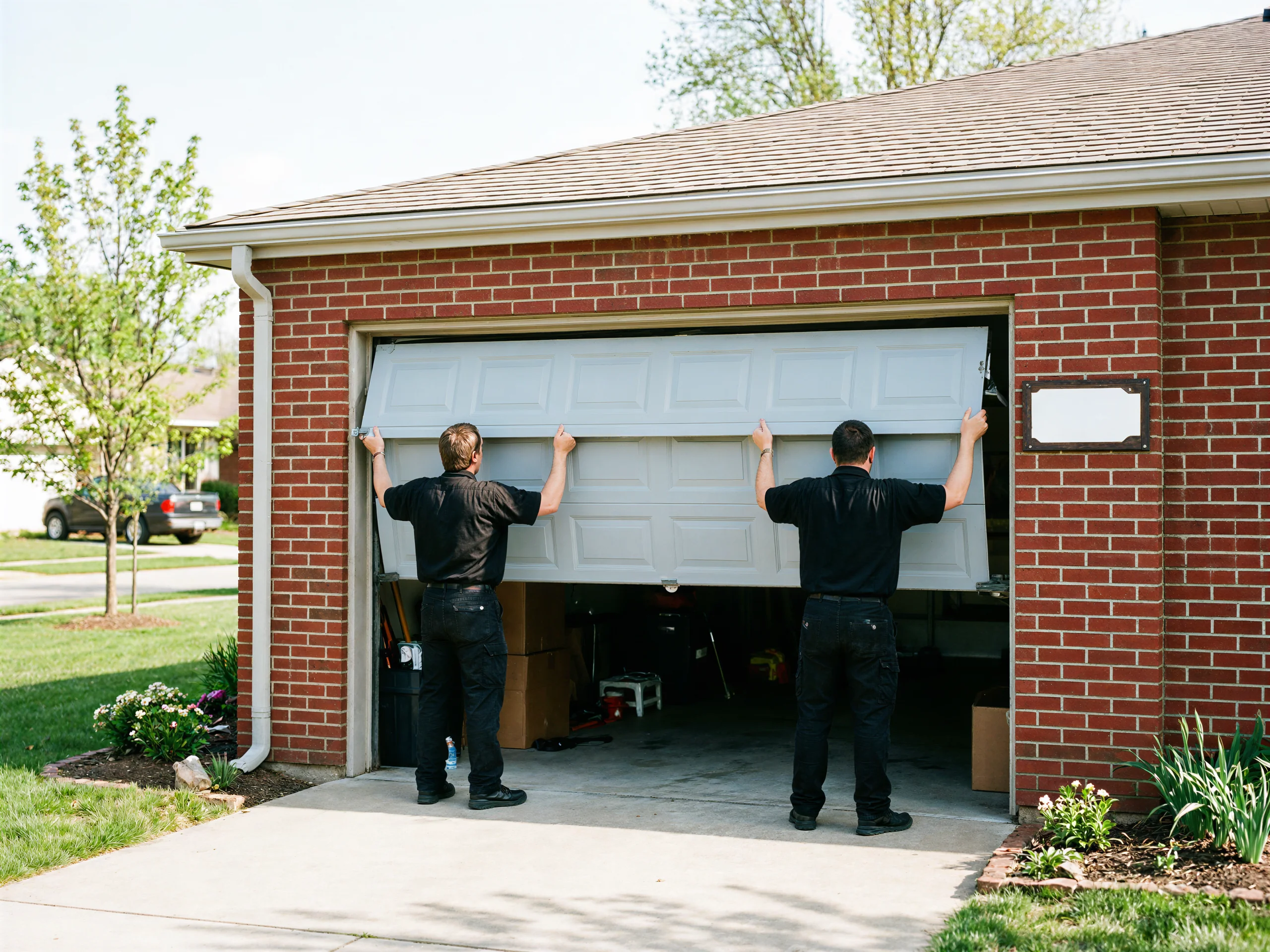
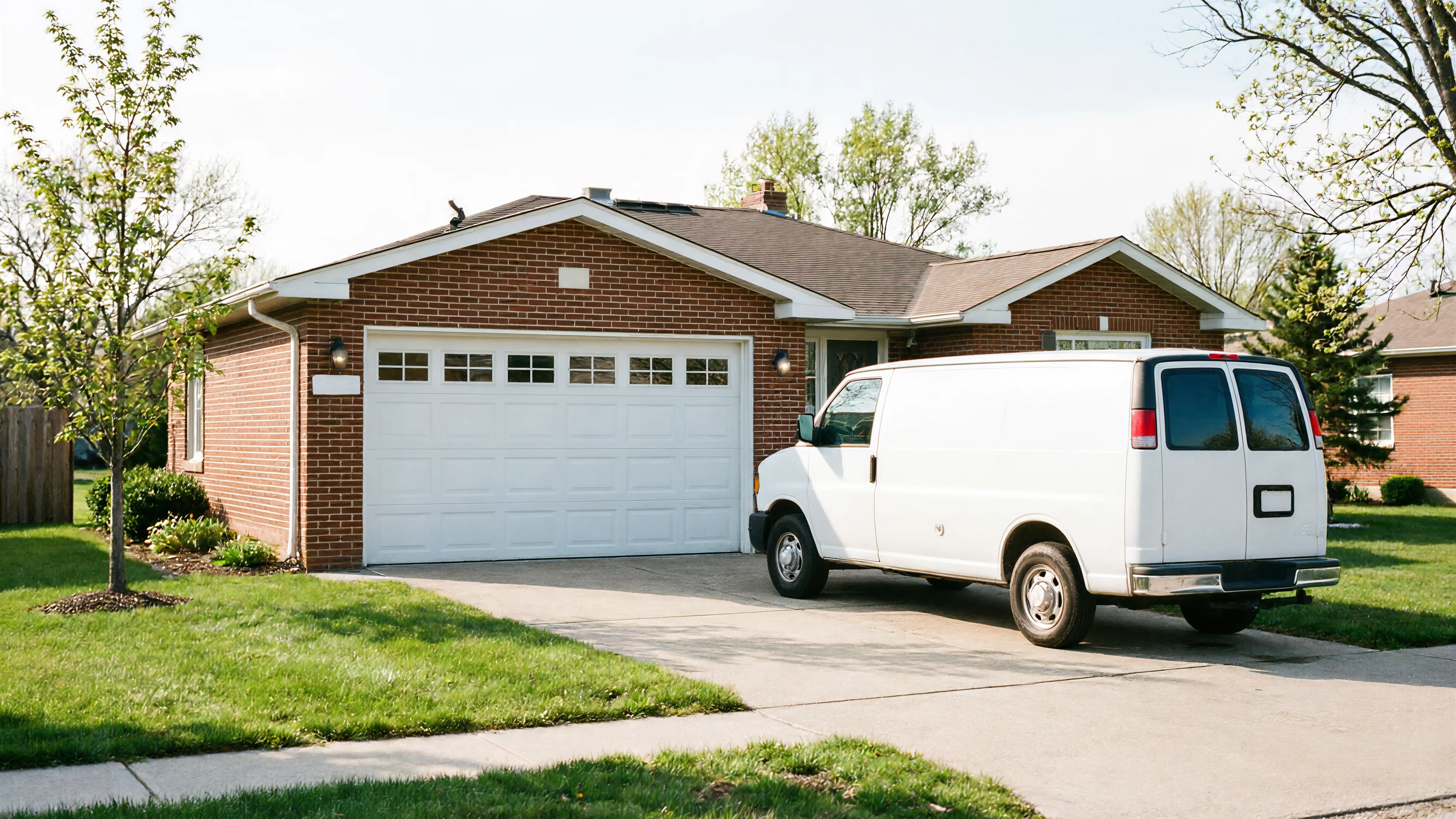
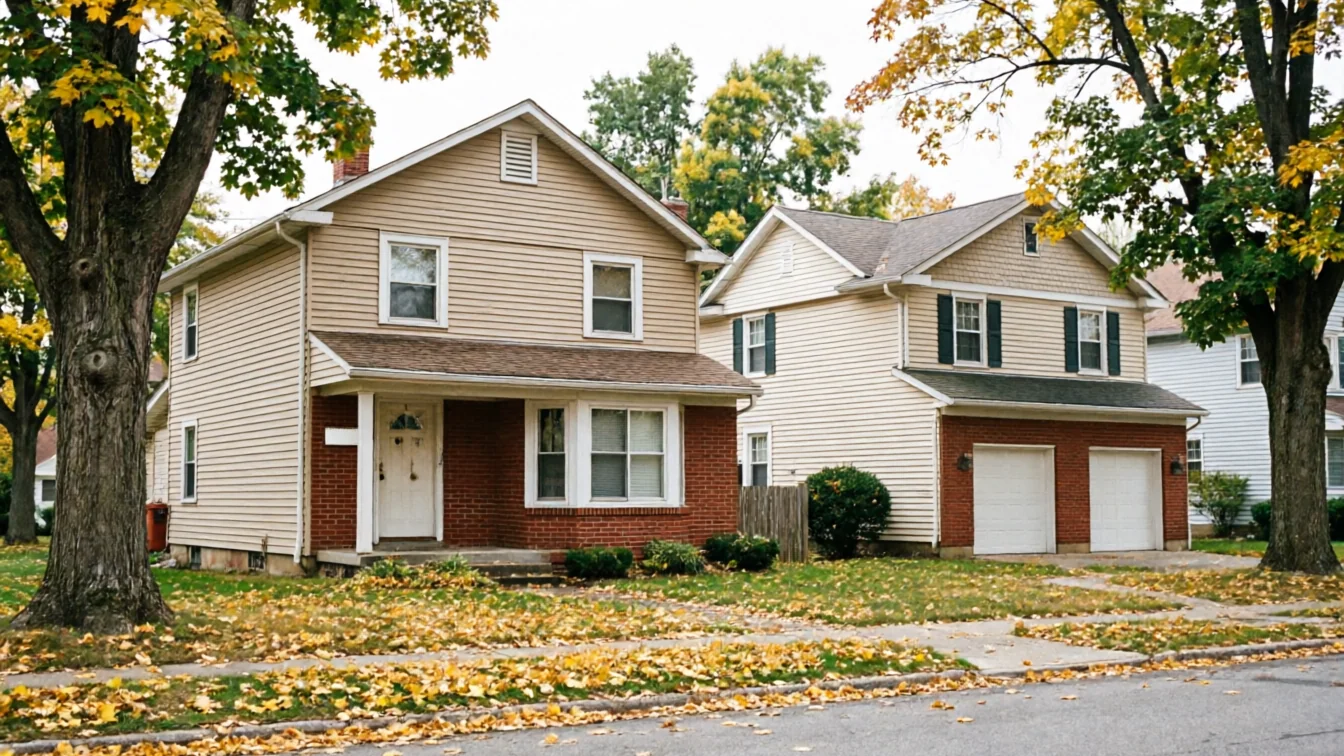
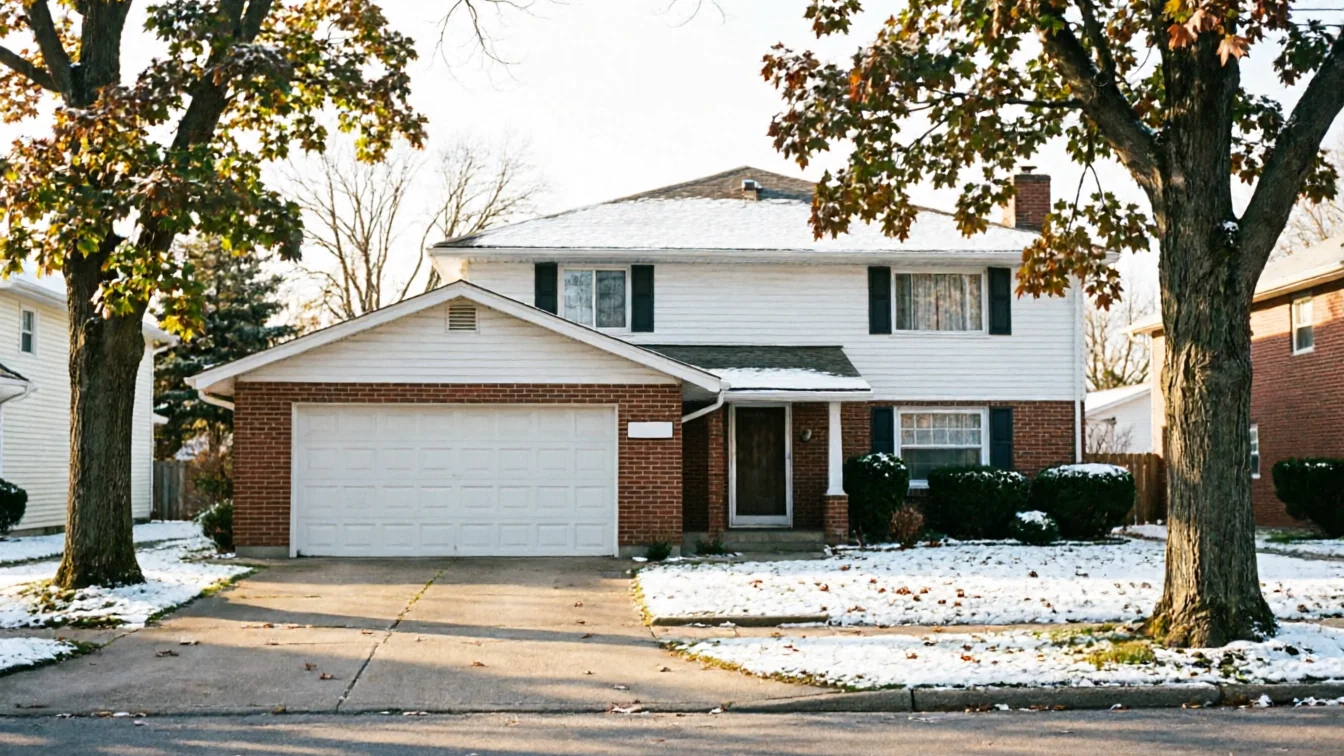
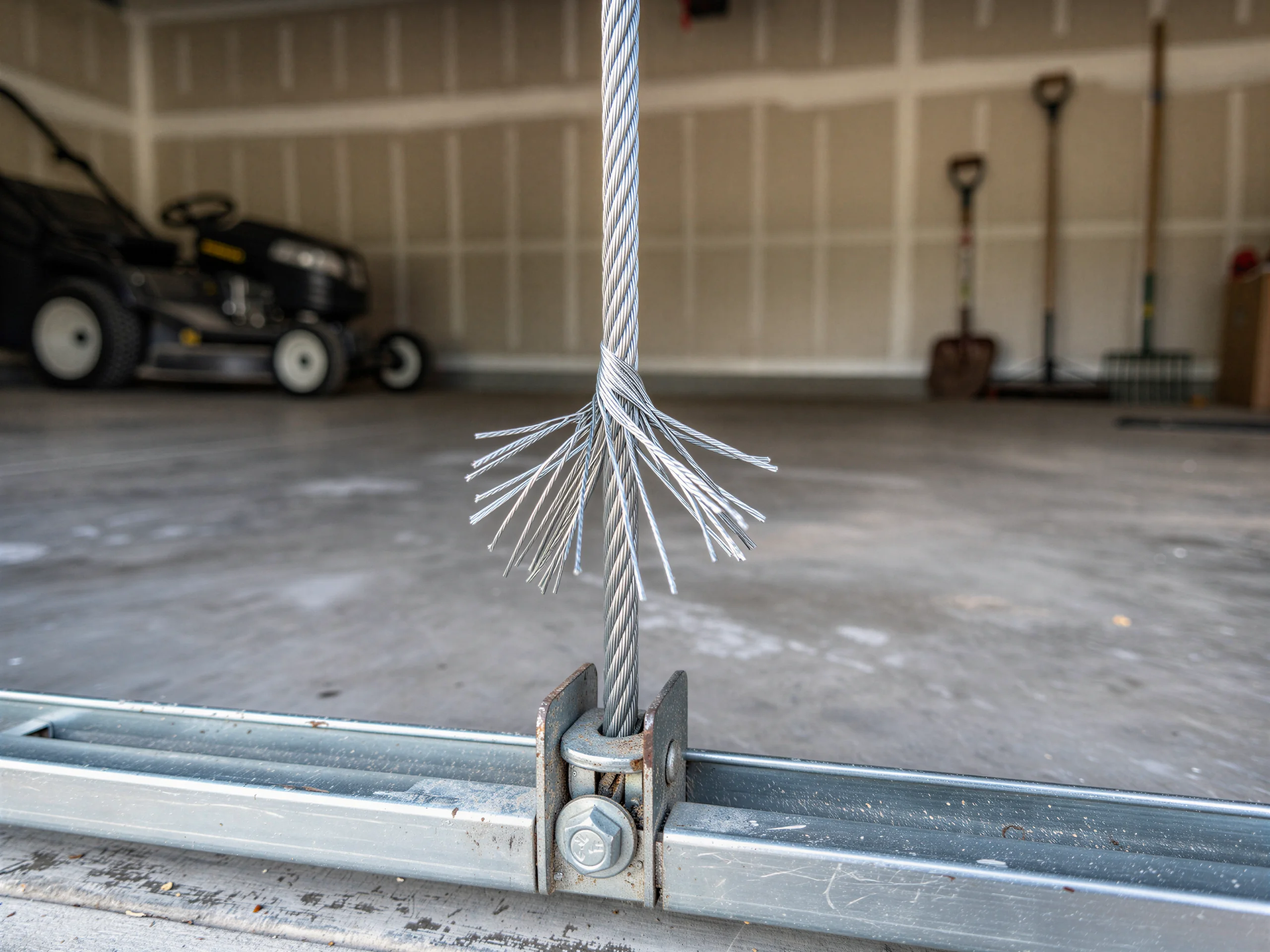
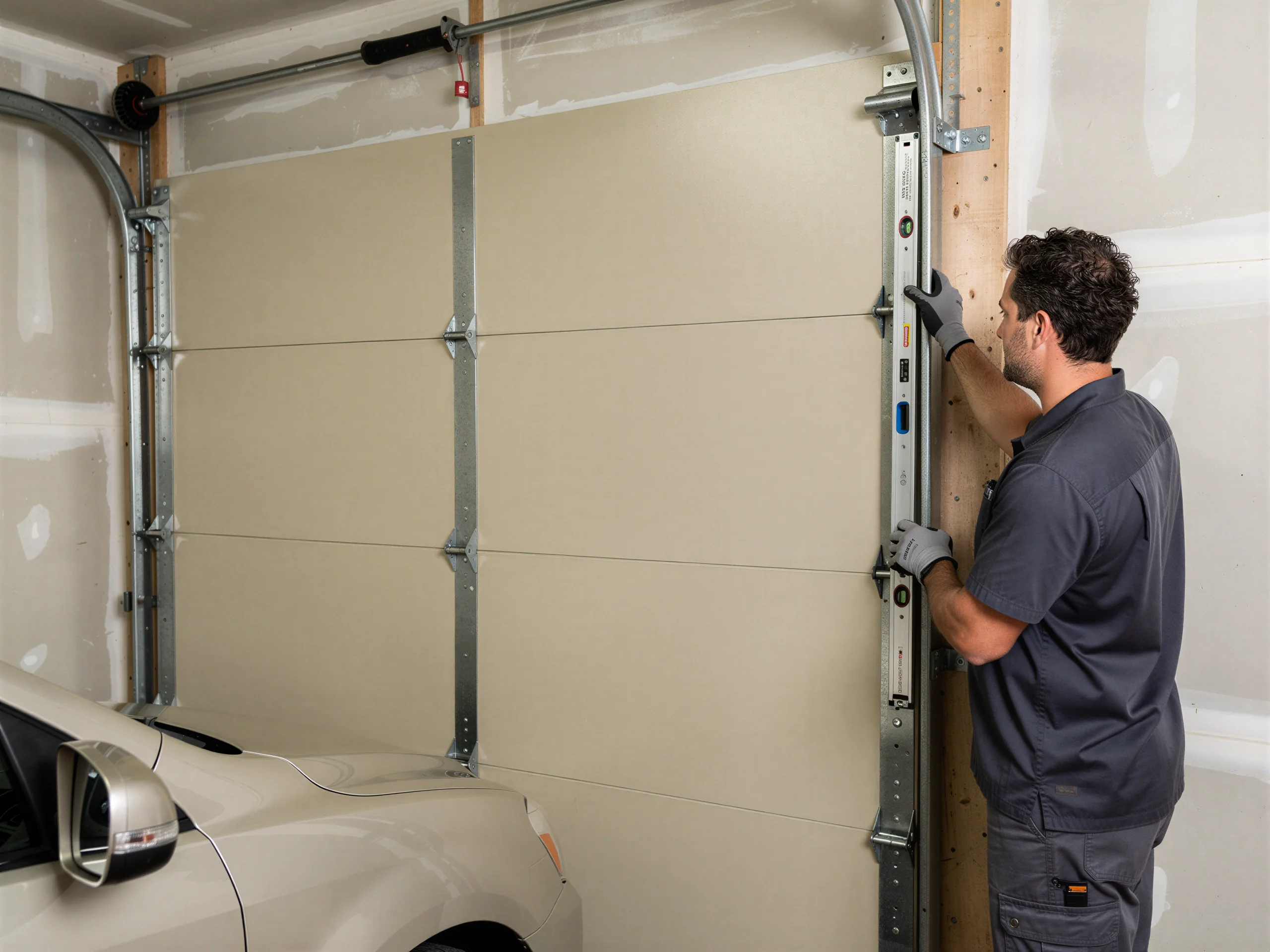
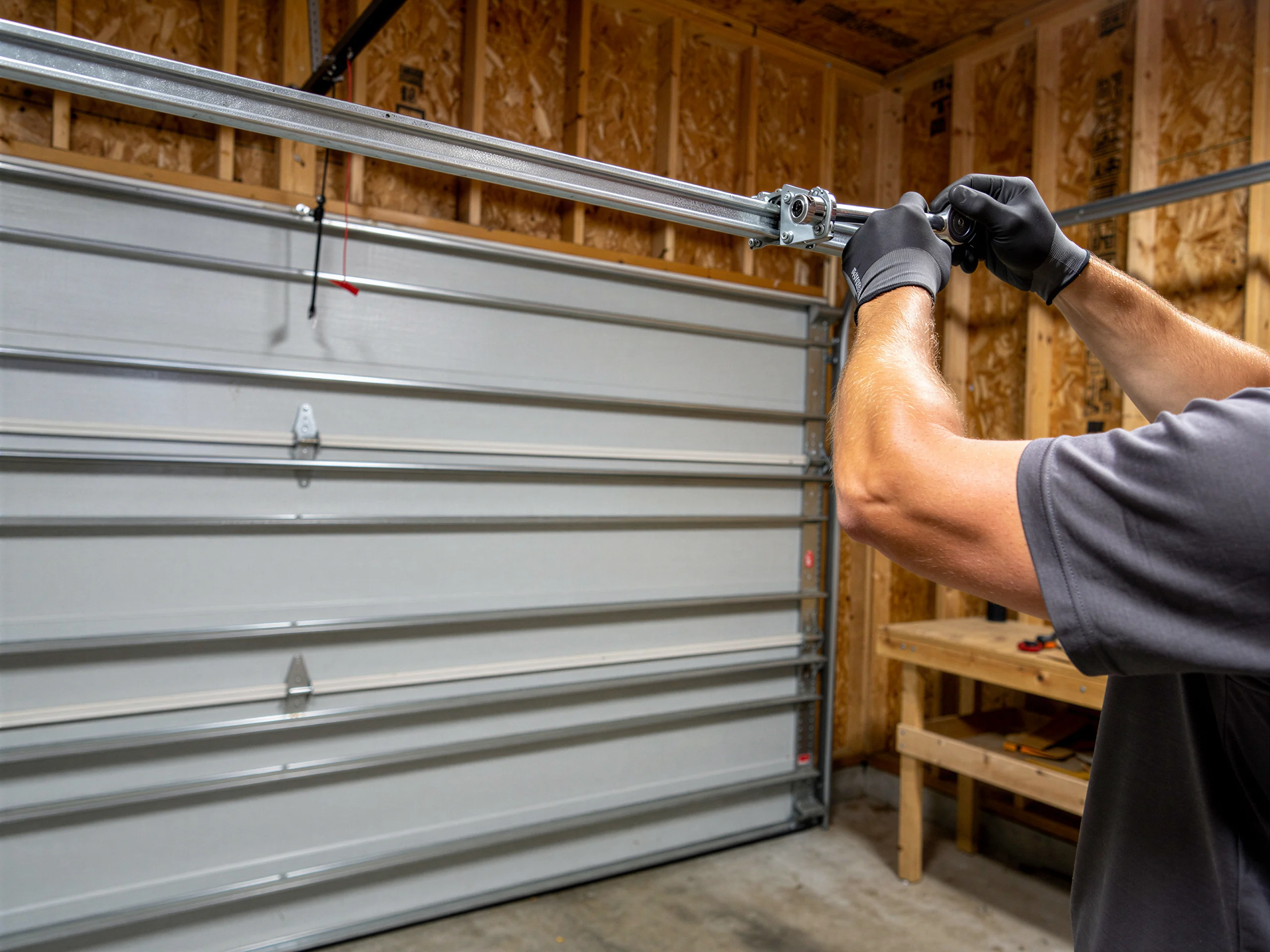
The failure point in houses from this stretch of the 1970s is almost always the track-to-jamb fit. Framing from that period was built to the dimensions of the door on it at the time, not to a modern standard width, so a new door ordered off a size chart without a field measurement can end up fighting the opening - tracks that bind, a header that needs shimming, or a seal that never closes flush. The second spot is the spring and opener math: an insulated replacement door can run 20-30 pounds heavier than the original single-layer steel panel it's replacing, and an opener or spring sized for the old door will struggle or fail within a season or two under the new load. We catch both by measuring the opening and weighing the spec before ordering, not after the door shows up on the truck.