
Blog
When a Garage Door Spring Breaks in Eau Claire's Cold
Eau Claire homes built mostly in the 1960s and 70s face cold-weather spring failures each winter. Here's what to check before you call for a repair job.
Season by Season
Eau Claire sits in a climate band federal data marks as COLD severe, and that rating isn't decoration. It means long stretches below freezing, not just the occasional cold snap, and steel parts feel every one of them. A torsion spring that's wound tight to lift a 150-pound door doesn't care what season the calendar says it is, but the steel itself gets brittle as the mercury drops, and the grease in the coils thickens up and stops doing its job. Fall is when you want eyes on the hardware, because once the deep cold sets in, a spring that was already fatigued from thirty winters of flexing is the one that snaps on a Tuesday morning when you're late for work. Spring thaw brings its own trouble too - moisture gets into tracks and rollers that spent four months frozen, and openers that struggled all winter start showing worn gears. Summer is the quiet season here, which is exactly when a repair is cheapest to schedule, because nobody's waiting on us and parts aren't backordered from everyone else's winter emergencies. If you own a house in this area, the calendar matters almost as much as the hardware.
What Is Going On
Housing in this service area went up mostly between 1958 and 1991, with the median build year landing around 1977 - and that's not a small detail, it's the whole story. A door installed in 1977 running on its original torsion spring has been wound and unwound something like 10,000 times by now, through decades of the same deep-cold cycles described above. Steel fatigues. It doesn't fail gradually and give you warning; a torsion spring under load either holds or it lets go all at once, usually with a bang loud enough to bring the whole street outside. Cold makes a tired spring worse because contracted steel is less forgiving steel - the same flex that a spring handled fine in July can be the one that breaks it in January. A lot of the doors we see across the 22 named areas that make up this housing stock are still running single torsion springs from the original build, sized for hardware nobody stocks on a shelf anymore. That's the honest limitation here: some of those older spring sizes aren't something we carry on the truck, and we may need to special-order the exact bar diameter and wind to match a forty-year-old installation.
What to Look At First
Before you call anyone, look at three things. First, the spring itself - a torsion spring that's separated shows a visible gap in the coil, usually right at the top of the door opening, and you'll know it the second you see it. Second, check whether your door has one spring or two. Houses from the earlier end of that 1958-1991 range often got a single torsion spring; later builds closer to the 1991 end sometimes got dual springs, which changes both the failure pattern and the fix. Third, look at the cables on either side of the door - a spring failure under cold-stiffened steel sometimes takes a cable with it, and a frayed or slack cable is not something to force the door past. Do not try to open a door manually once a spring has gone; the counterbalance is gone and the door's full weight is now on you and whatever's left holding it. That's the one thing worth being blunt about: a broken spring on a double door is a two-person job with the right bars, not a weekend project with a ladder.
How Local Conditions Play In
The service area runs about 29,245 households, with 15,449 of those owner-occupied houses - the kind with a driveway and a garage door that has to work every morning regardless of the weather. Median household income here sits at $79,877, which is enough that most owners we talk to aren't automatically reaching for a full door replacement when a spring goes; they want the actual cost of the fix laid out before deciding whether it's a spring job or time for something newer. That math changes with the age of the door. On a house built near the 1977 median, a spring failure is often just a spring failure - the track, opener, and panels can still have plenty of life left, so replacing one part instead of the whole unit usually makes sense. On a door pushing closer to 1958, we've sometimes found the spring is the symptom and worn rollers or a tired opener are close behind. We work the towns around here too - Seymour, Altoona, Lake Hallie, Chippewa Falls, Elk Mound, Fall Creek, and the rest of this stretch - and the same cold-weather pattern holds across all of it, because the housing ages and the winters are shared.
Questions
Common questions
Why did my spring break in the middle of winter instead of any other time?
Steel contracts and stiffens in deep cold, and a torsion spring that's already fatigued from years of winding flexes less forgivingly when it's cold-stiffened. Combine that with hardware that's often thirty to sixty years old in this area, and winter is simply when the weakest link gives out. It's rarely random - it's cumulative stress meeting the coldest part of the year.
Is it worth fixing an old spring or should I replace the whole door?
If the door is from the newer end of the local housing stock and the track, rollers, and opener are sound, a spring replacement alone usually makes sense. On older installs near the 1958 end, a broken spring sometimes shows up alongside worn rollers or a struggling opener, and it's worth having both checked at once before deciding.
Can you match the original spring size on an older house?
Often yes, but not always off the truck. Some original torsion spring sizes from houses built decades ago aren't stock items anymore, and we may need to special-order the exact bar diameter and wind. We'll tell you upfront if that's the case rather than install something close enough.
Should I try to close the door myself after a spring breaks?
No. Once a torsion spring lets go, the counterbalance holding the door's weight is gone, and a double door especially is too heavy to manage safely by hand. Leave it where it is and call for the repair rather than forcing it up or down.
Recommendation
You Might Also Like
More garage door guides for Eau Claire homeowners.
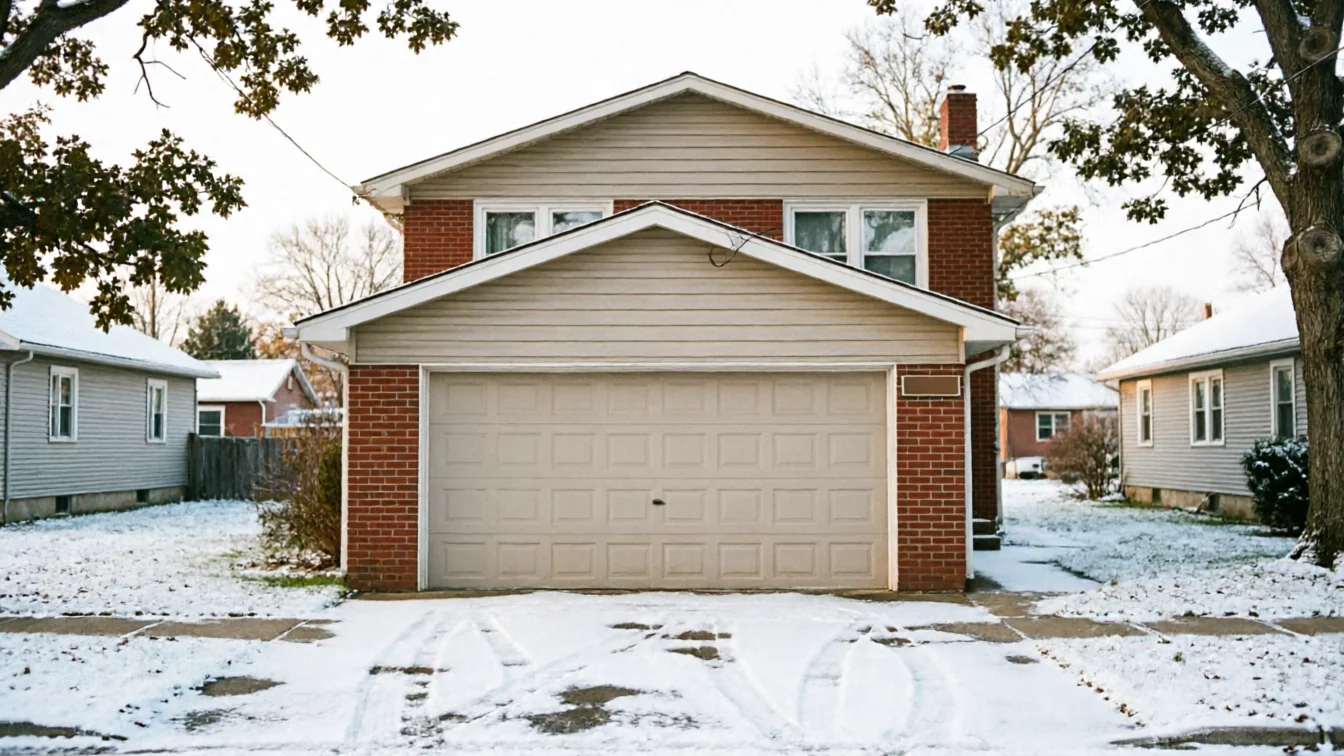
Why Your Garage Door Jumps the Track in Eau Claire
Eau Claire homes built mostly 1958-1991 and our cold winters push tracks out of alignment.
Read guide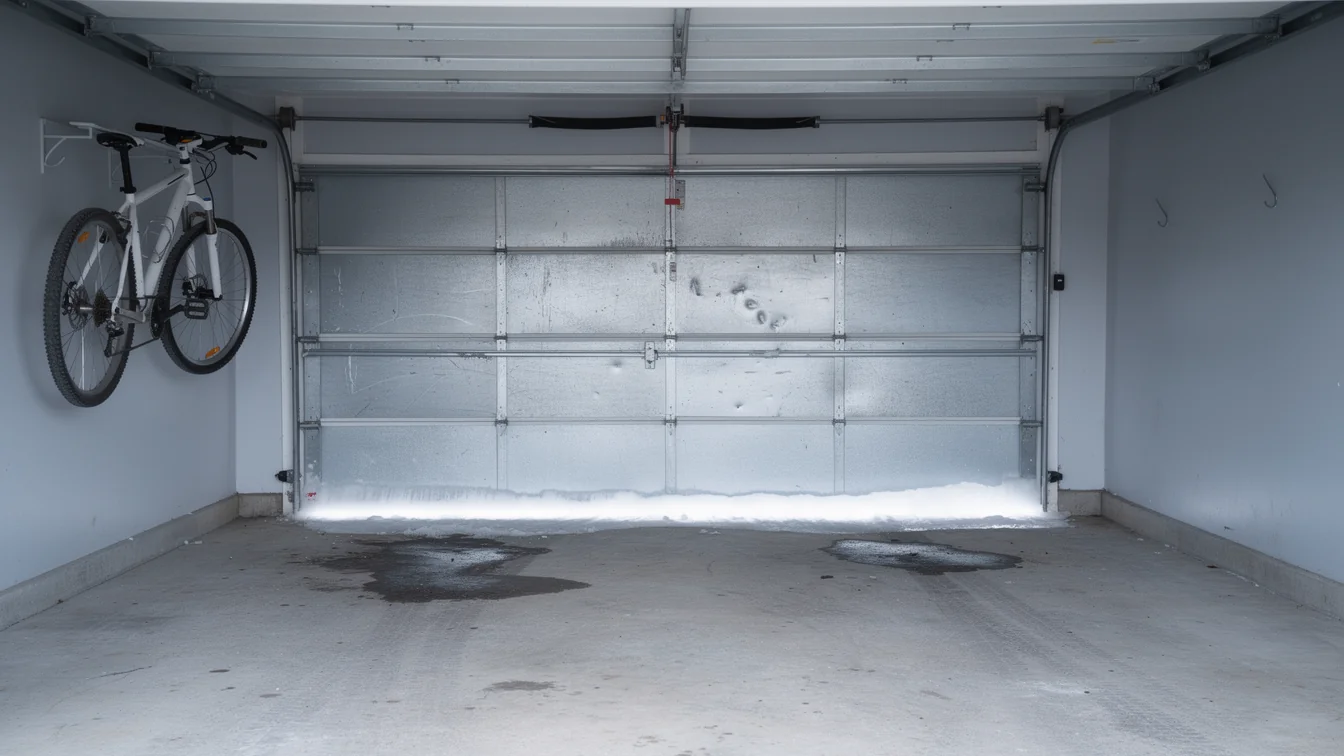
What That Noise in Your Eau Claire Garage Really Means
Eau Claire homes mostly date to 1958-1991.
Read guide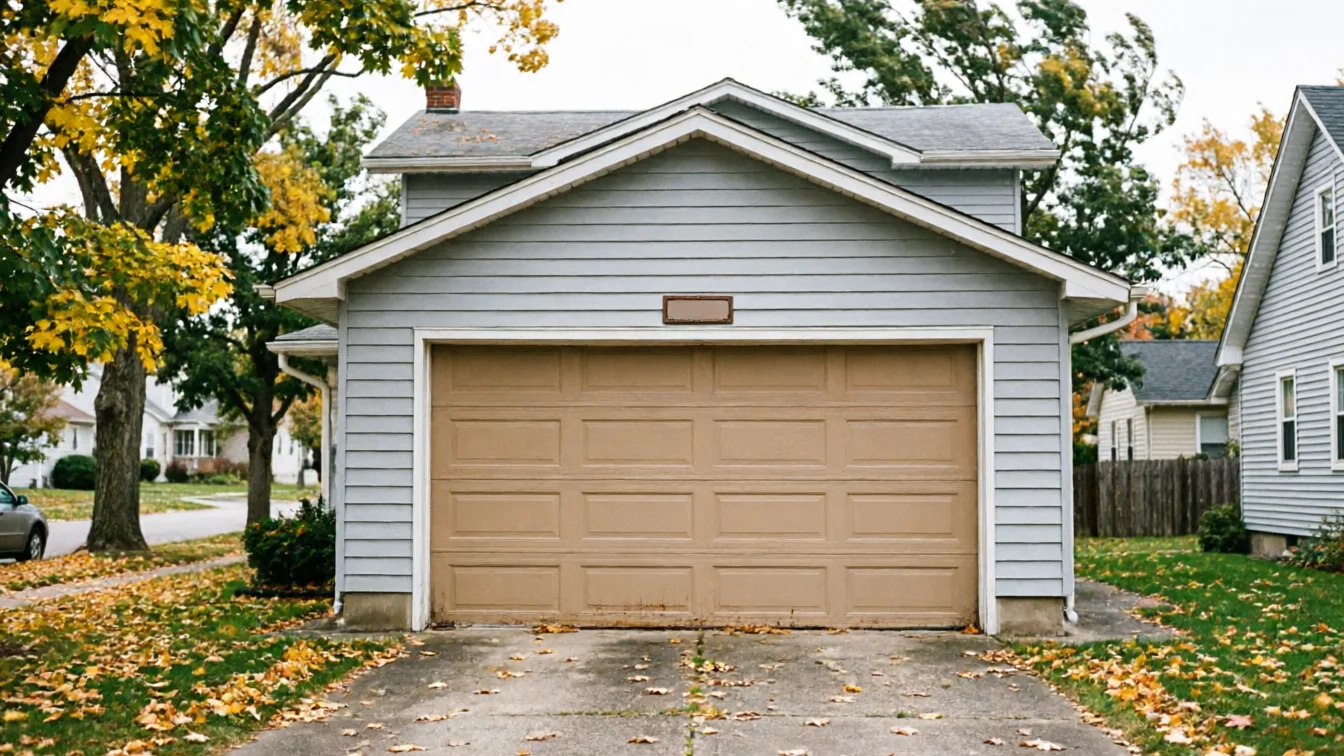
What We Actually Check When We Come Out to Your Door
A breakdown of what our techs actually check on an Eau Claire service call, tied to this area's 1958-1991 housing stock and cold-severe winters.
Read guideReady when you are
Need a garage door sorted in Eau Claire?
Eau Claire Garage Door Pros repairs and installs garage doors, springs and openers in Eau Claire, WI and the surrounding area.