Blog
What We Actually Check When We Come Out to Your Door
A breakdown of what our techs actually check on an Eau Claire service call, tied to this area's 1958-1991 housing stock and cold-severe winters.
Season by Season
Eau Claire sits in a cold-severe climate band, and that shapes the call schedule more than most owners expect. Winter calls run heavy on broken springs - cold steel loses tensile give, and a spring that's been stretching fine since August will snap on the first morning it has to lift a door caked in ice at 10 below. We also see cable derailment from frozen track buildup and openers that strain because the grease in the drive screw has gone thick. Spring and early summer bring a different mix: panels that took on moisture over winter and are starting to delaminate at the seams, and rollers that wore down all winter finally giving out. Fall calls are mostly preventive - people wanting the door looked at before the cold hits, which is the right instinct. We don't run a different checklist by season so much as a different order of priority: in January we check the spring and cable condition first, because that's what fails first here. In July we're more likely to start with the opener and the weatherstrip. The house doesn't change. The stress the climate puts on it does.
What Is Going On
Most of the houses we're called to in Eau Claire were built between 1958 and 1991, with the median landing around 1977, and that's not a trivia point - it drives the actual repair. A door and opener installed in a 1977 build has been through close to five decades of cold-severe winters. Galvanized torsion springs from that era were rated for a certain number of cycles, and most have well exceeded it by now, even if the door still looks fine standing in the driveway. Original hardware on a house this age tends to fail in clusters: the spring goes, and six months later the cable it was paired with frays at the drum because both components aged together under the same load. On a service call we're often not fixing one part, we're triaging a system that's past its rated life all at once. That's different work than troubleshooting a door installed five years ago, and it's why a call that starts as 'the door won't open' sometimes ends with a conversation about full replacement rather than a single part swap.
What to Look At First
On a house from this era, we start at the spring and the mounting hardware above the door, not the opener. If the springs are original or clearly non-matching replacements from different years, that tells us the door has likely been patched piecemeal already, which changes how we price the visit. Next we check the track alignment - cold-weather slab settling over 50-plus years shows up as a slight lean in the vertical track, which throws rollers off and wears cables unevenly. We check the bottom panel for moisture damage, common on doors that have spent decades facing Wisconsin winters without a full weatherstrip replacement. Only after that do we look at the opener itself: gear wear, drive mechanism type, and whether the safety sensors have ever been upgraded. One honest limitation here - if the door is a 1970s steel panel door with a drive-screw opener from the same era, we'll tell you plainly when parts are hard to source. We're not going to spend three service visits chasing down discontinued hardware when a new door makes more financial sense.
How Local Conditions Play In
Across the 22 named areas we cover out of Eau Claire, the bulk of the housing stock is 1960s and 70s construction, not newer builds, and the cold-severe climate band means that stock has aged under real thermal stress every winter since it went up. A service call near Altoona or Lake Hallie, both a few miles out, often turns up the same original torsion springs we see closer in - the housing era doesn't change much mile to mile in this part of the service area. With a median household income of $79,877 across roughly 29,245 households and about 15,449 of those owner-occupied, a lot of our calls land on owners weighing a $150 spring swap against the cost of replacing a door that's already shown three other symptoms. We don't push one answer. If the springs are original and the panel's sound, a spring job buys real years. If the opener, cable, and panel are all original to the same 1970s build, we say so, because fixing one part on a system that's failing as a whole just moves the next call a few months down the road.
Questions
Common questions
Why do so many Eau Claire garage doors need spring repair in winter?
Cold steel has less give, so a torsion spring that's been fine all year is more likely to snap once temperatures drop well below freezing. In a cold-severe climate like ours, that's the single most common emergency call we get between November and March.
My house was built in the 1970s - is the opener original?
It's possible. A lot of the housing stock in this area dates to between 1958 and 1991, median around 1977, and some of those openers are still running on original drive mechanisms. We check the drive type and gear wear on every call to a house this age.
Do you repair or replace older doors?
Depends what we find. If the spring and cable are the only issue and the panel's sound, a repair makes sense. If multiple original components from a 1970s-era install are failing together, we'll tell you honestly when replacement is the better money.
What does a standard service call actually include?
We check the spring, cable, and track alignment first, then the panel condition, then the opener and safety sensors. On older homes in this area that order matters, because the spring and track tend to show wear from decades of cold-weather cycling before the opener does.
Recommendation
You Might Also Like
More garage door guides for Eau Claire homeowners.
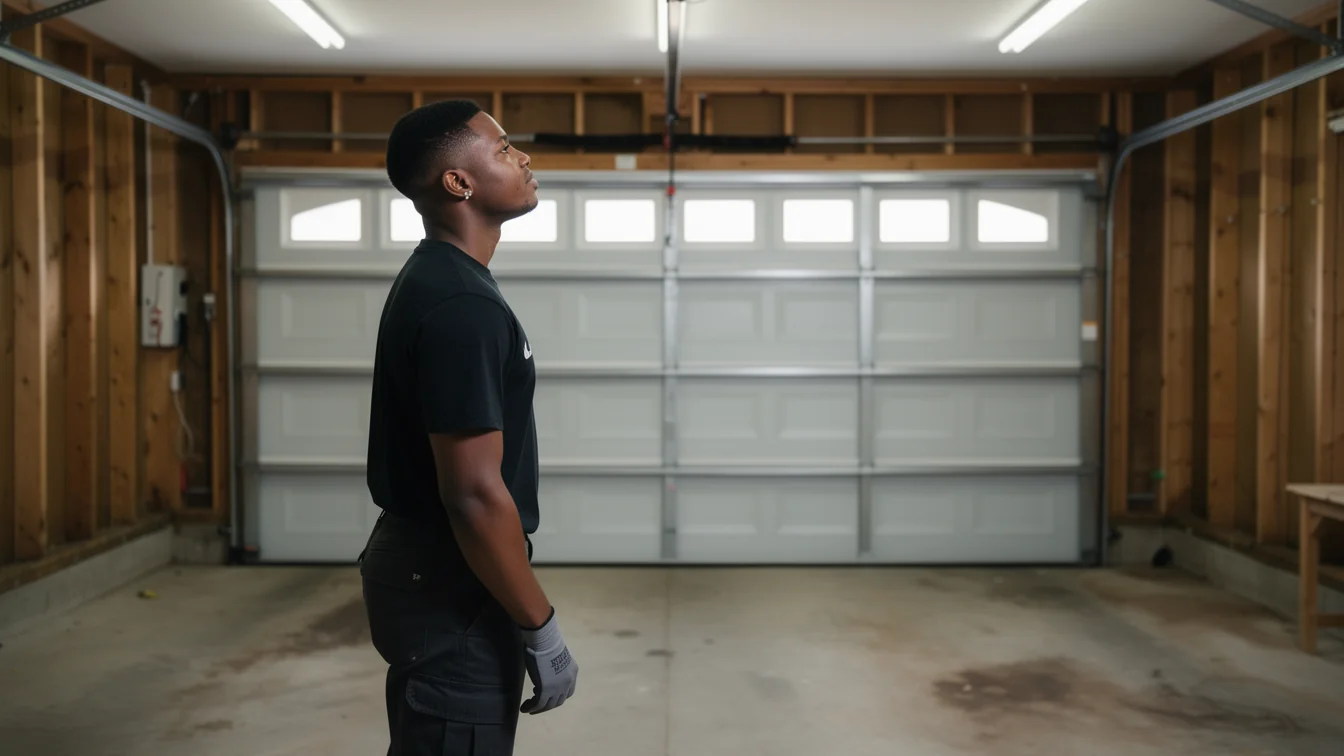
Openers and Power Cuts in Eau Claire's Older Housing Stock
Why garage door openers in Eau Claire fail during winter power cuts, what the area's 1960s-70s housing stock means for repairs, and what to check first.
Read guide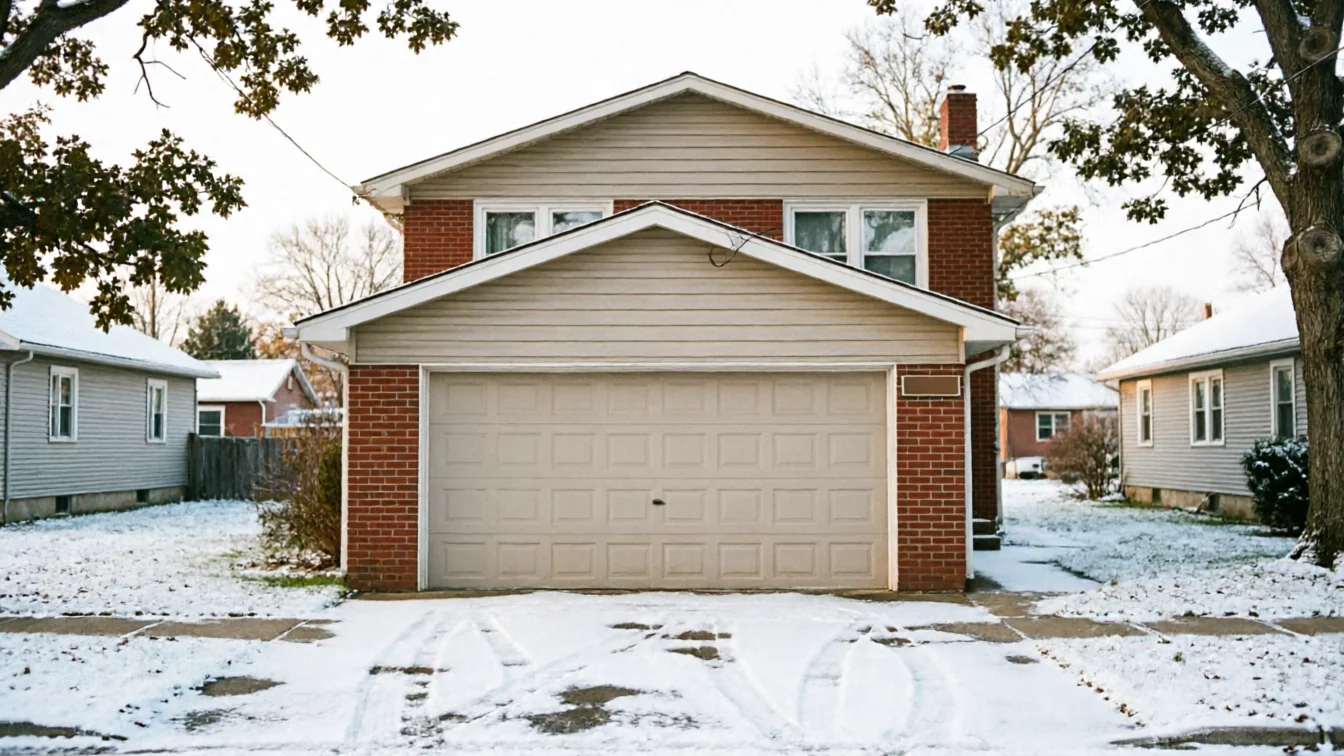
Why Your Garage Door Jumps the Track in Eau Claire
Eau Claire homes built mostly 1958-1991 and our cold winters push tracks out of alignment.
Read guide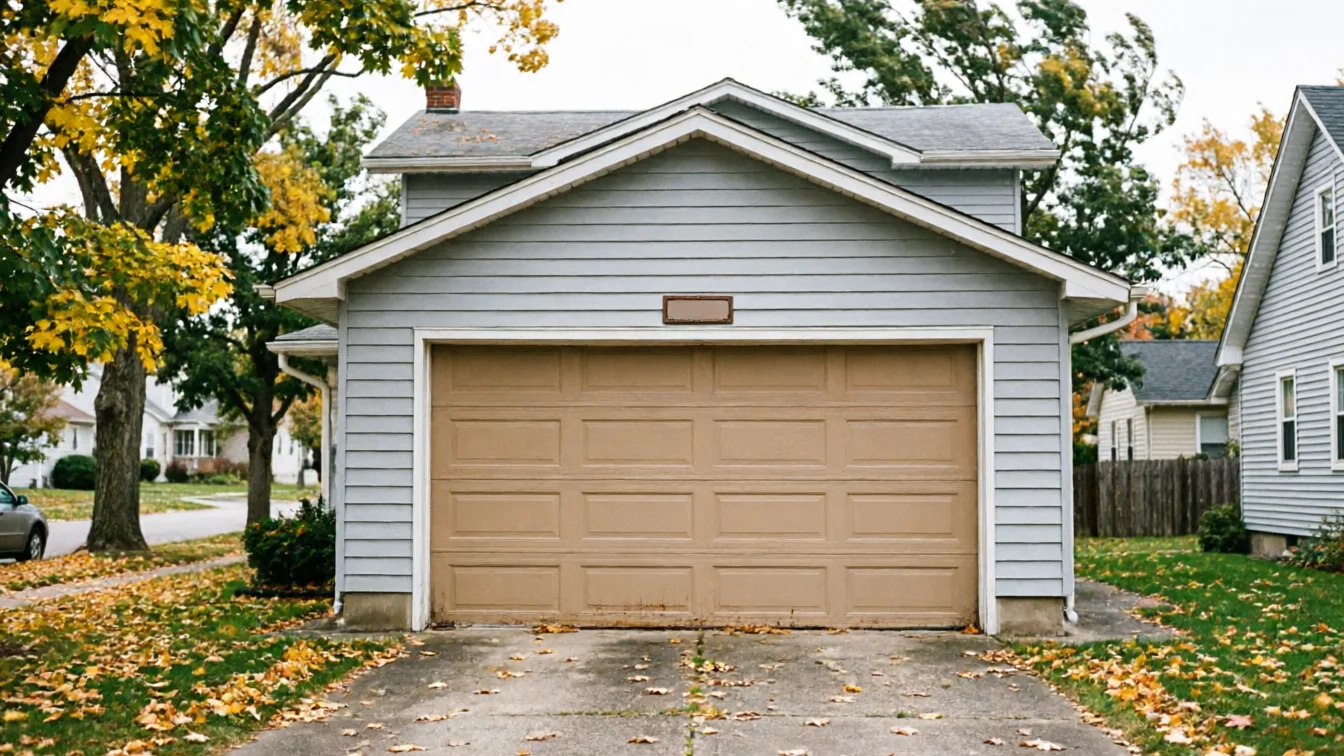
Garage Door Care for Eau Claire's 1960s-70s Housing Stock
Eau Claire garage door care for houses built 1958-1991, with cold-climate seasonal checks for springs, openers, and tracks on original hardware.
Read guideReady when you are
Need a garage door sorted in Eau Claire?
Eau Claire Garage Door Pros repairs and installs garage doors, springs and openers in Eau Claire, WI and the surrounding area.