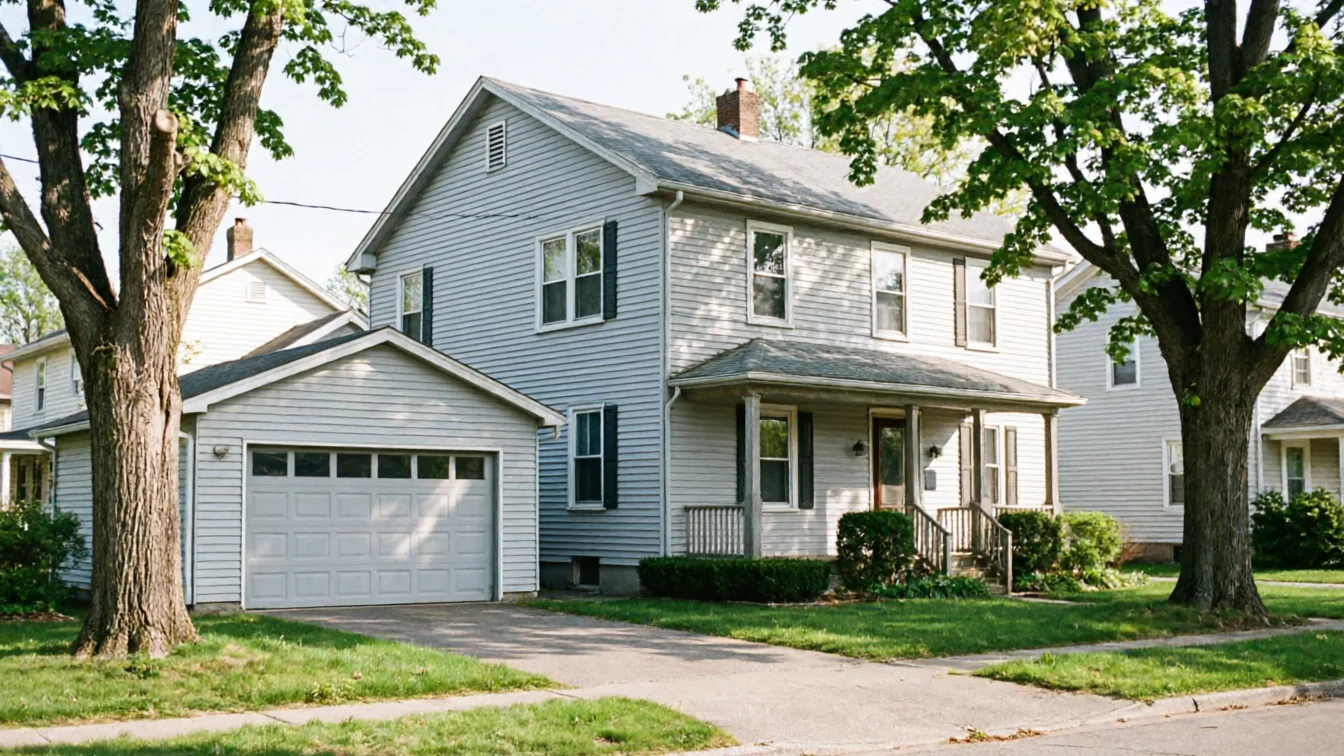
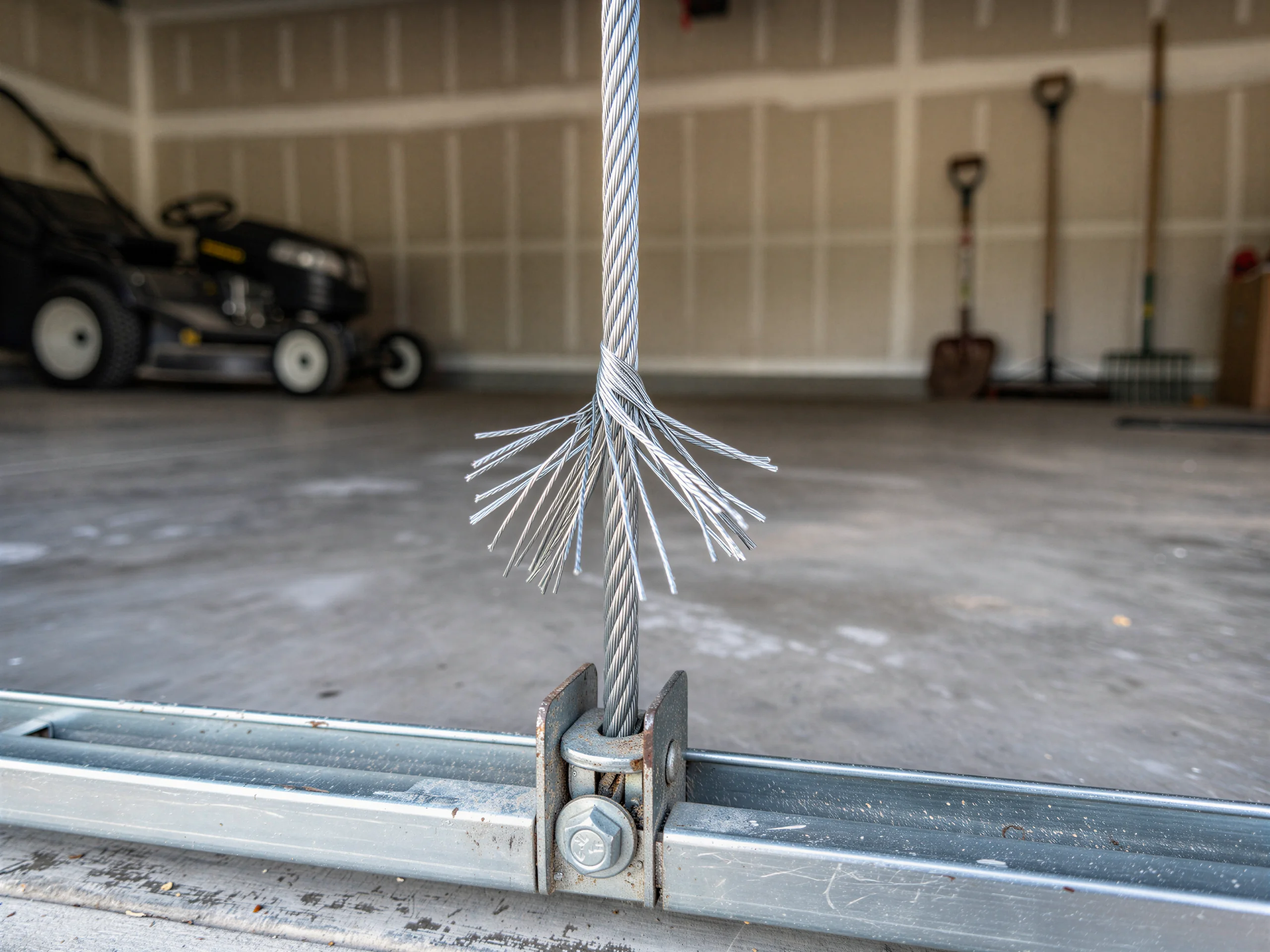
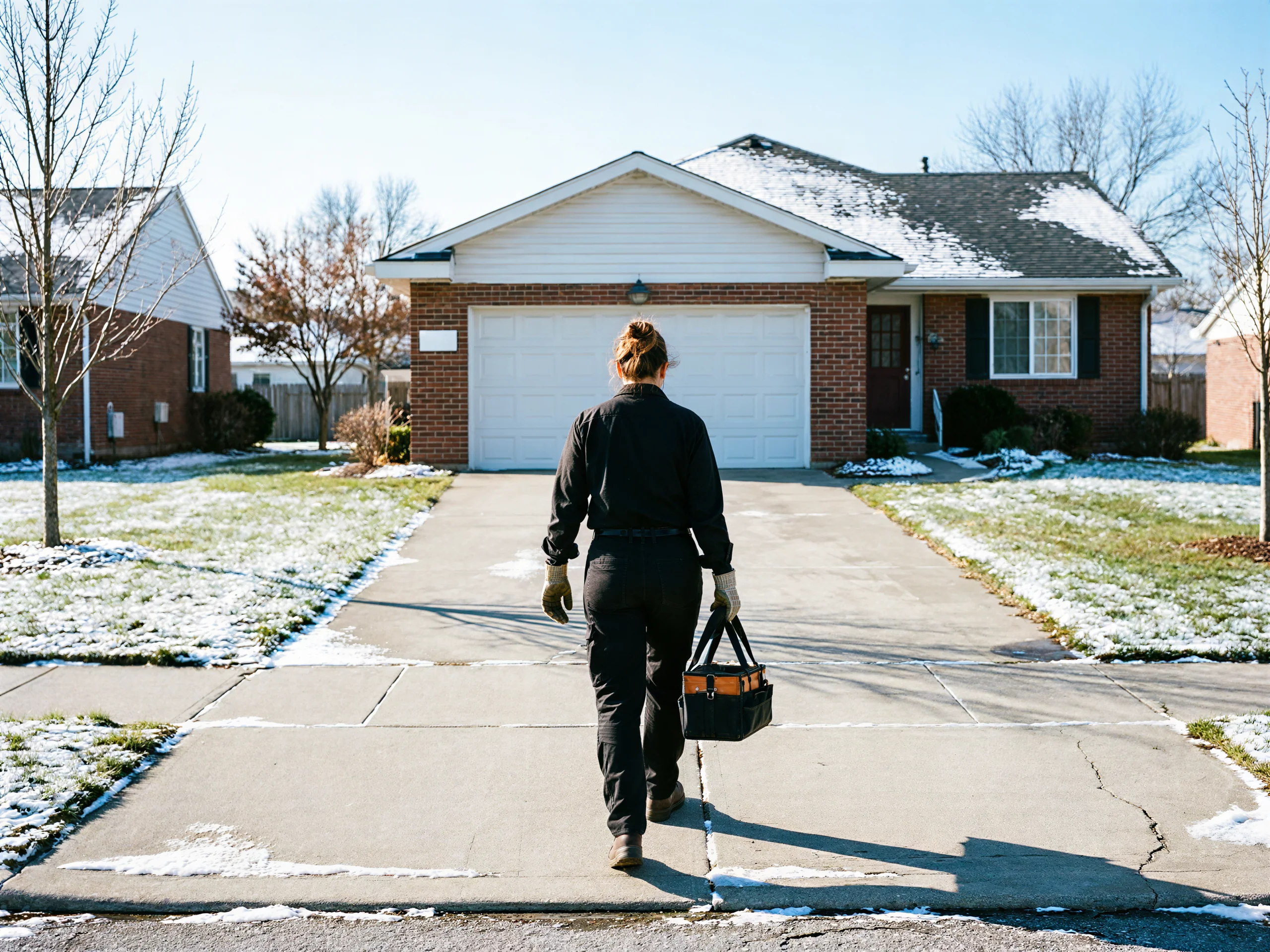
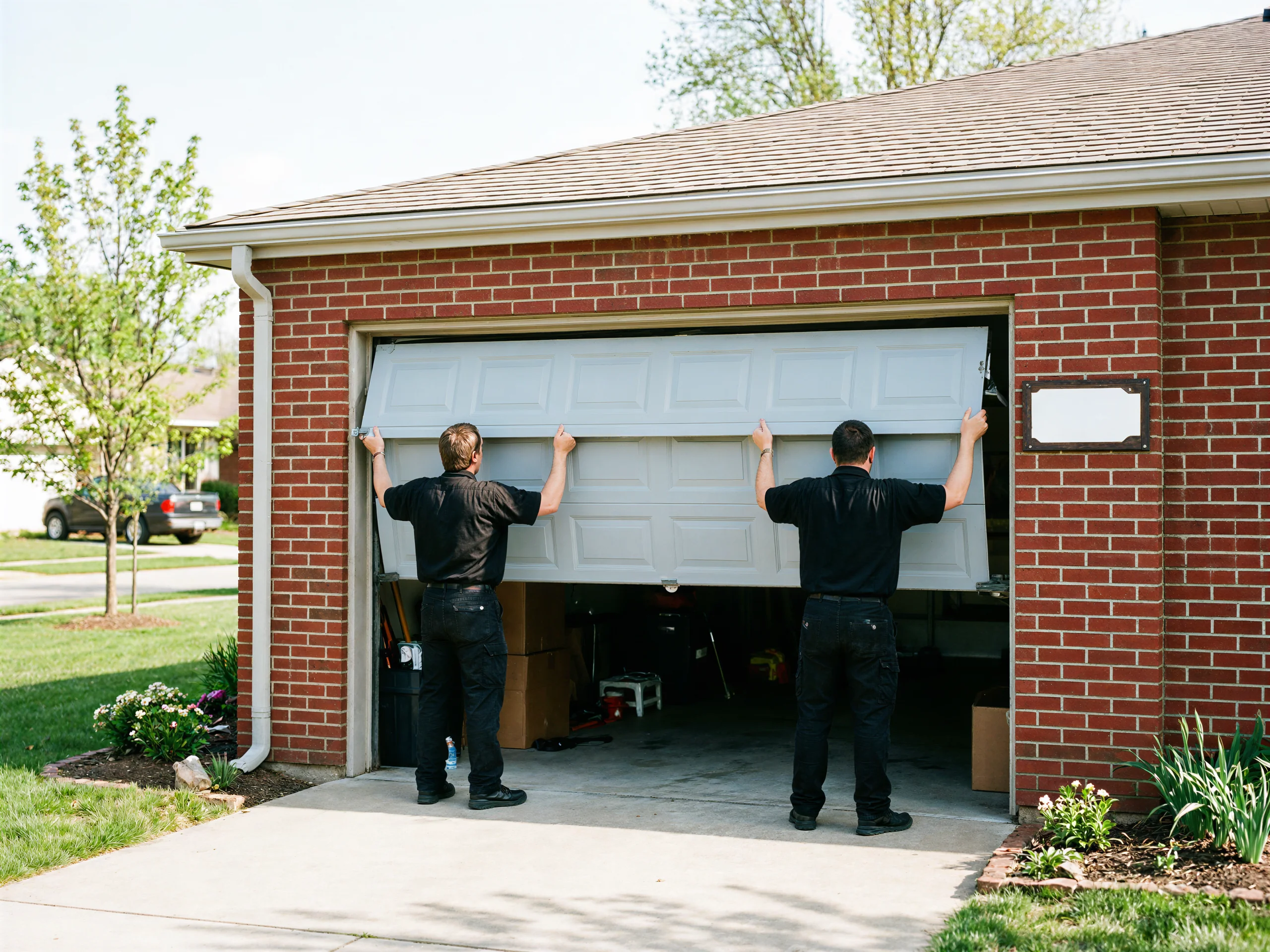
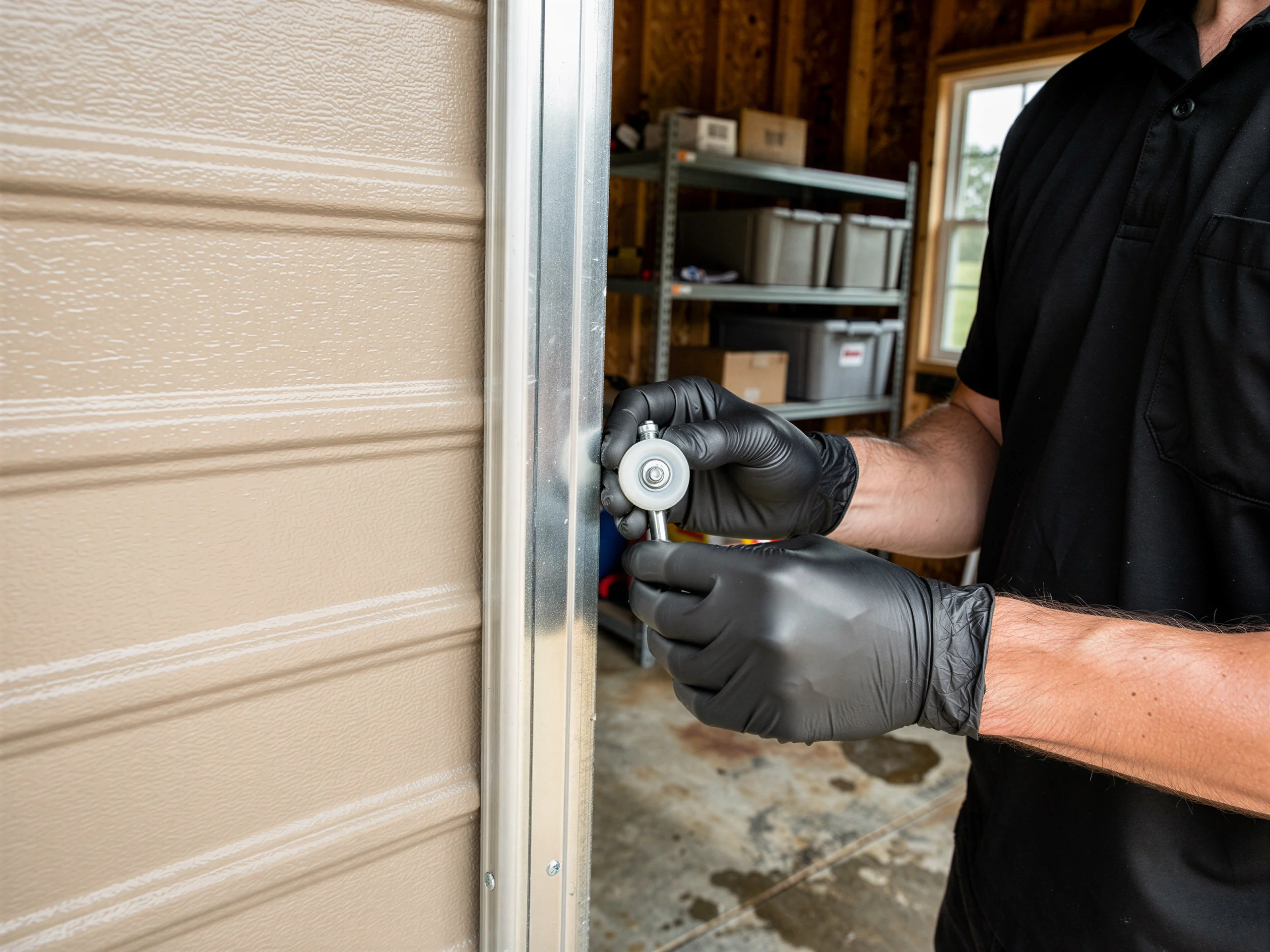
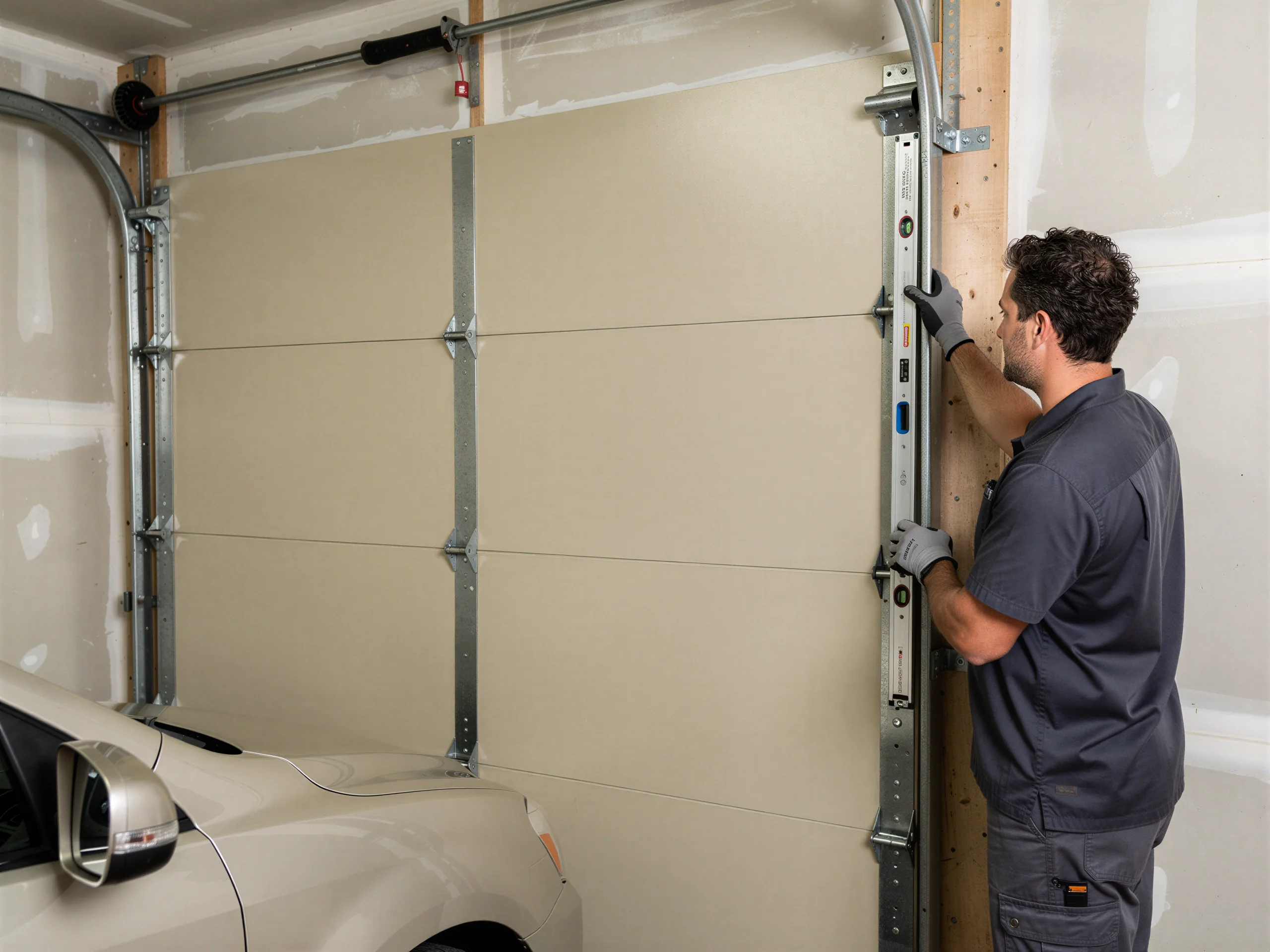
Three things stack up in Eau Claire that don't stack up everywhere. First, the age of the housing stock - across the 22 named areas that make up this market, most doors are original to construction from the 1960s and 70s, so the springs are original too, or close to it. Second, the climate. This area sits in a cold band classified as severe, and a torsion spring under tension behaves differently at 20 below than it does at 70 degrees - the steel contracts, gets brittle, and the same daily cycle count does more damage per cycle in January than it does in July. Third, and this follows from the first two: a spring that's spent fifty winters flexing in that temperature swing has absorbed a lot more metal fatigue than its cycle count alone would suggest. We see this most on doors that were never upgraded - no extension spring conversion, no replacement since the house was built. It's not a defect in how the house was built. It's just steel doing what steel does, on a timeline this climate speeds up.