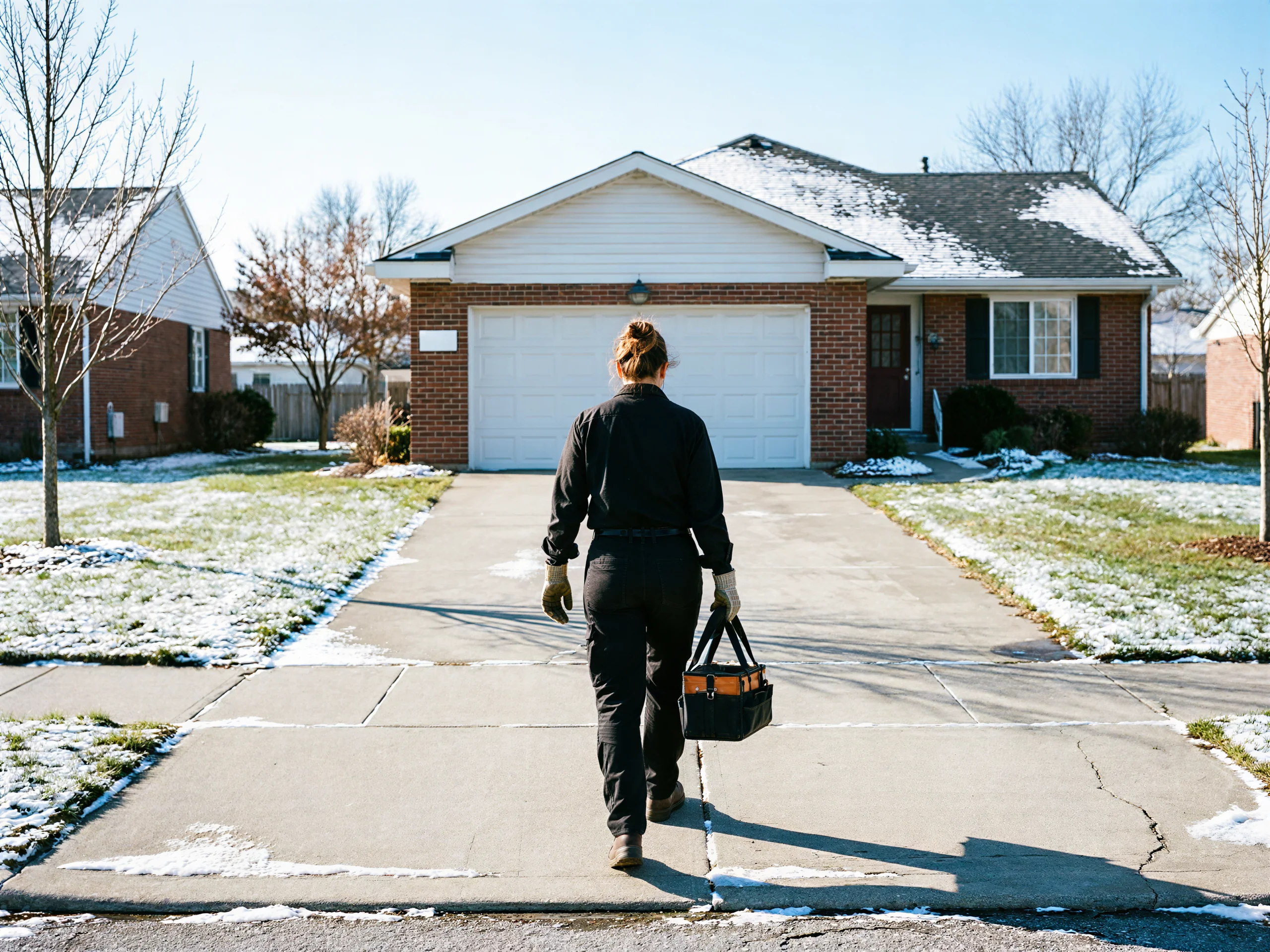
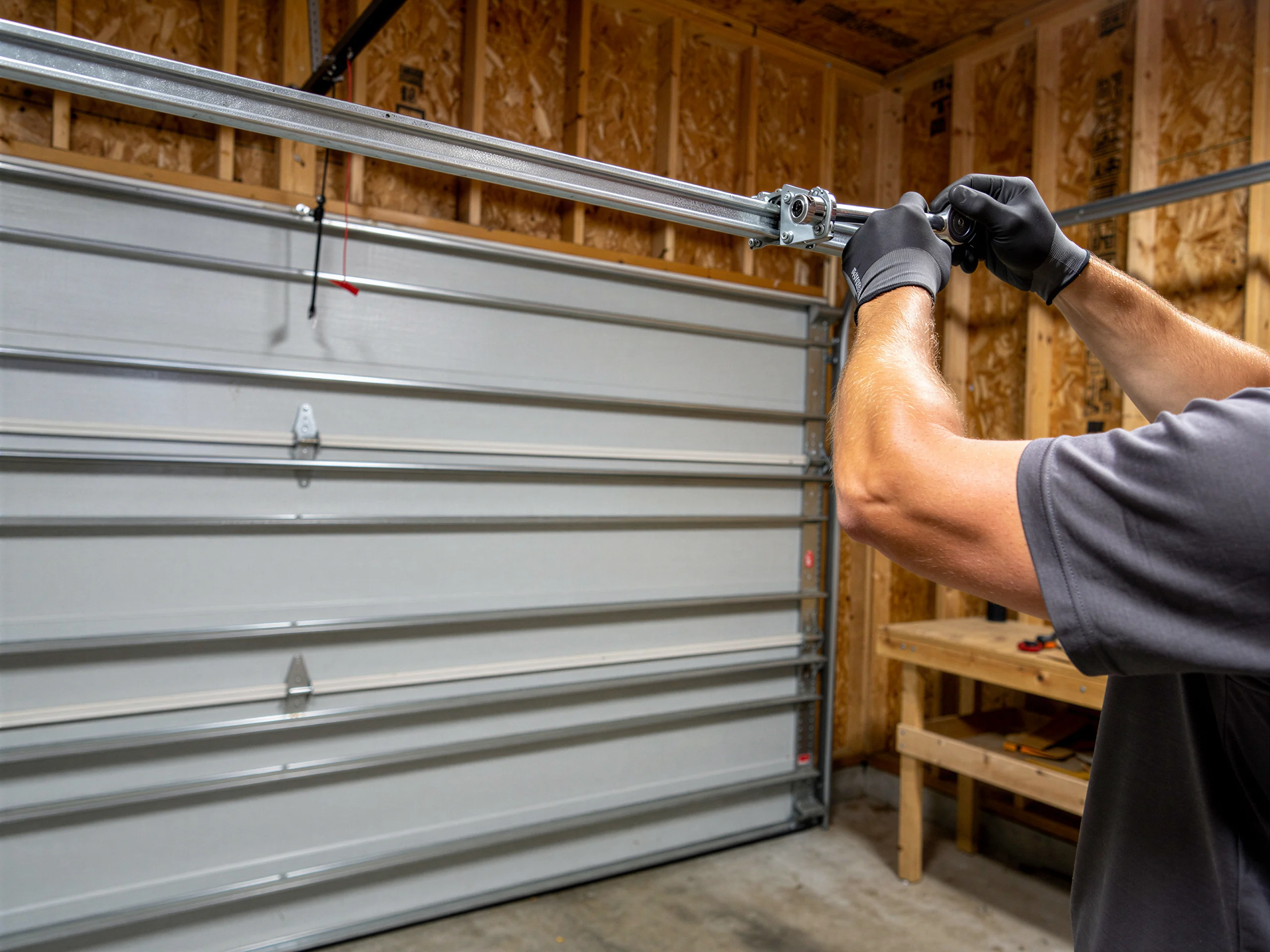
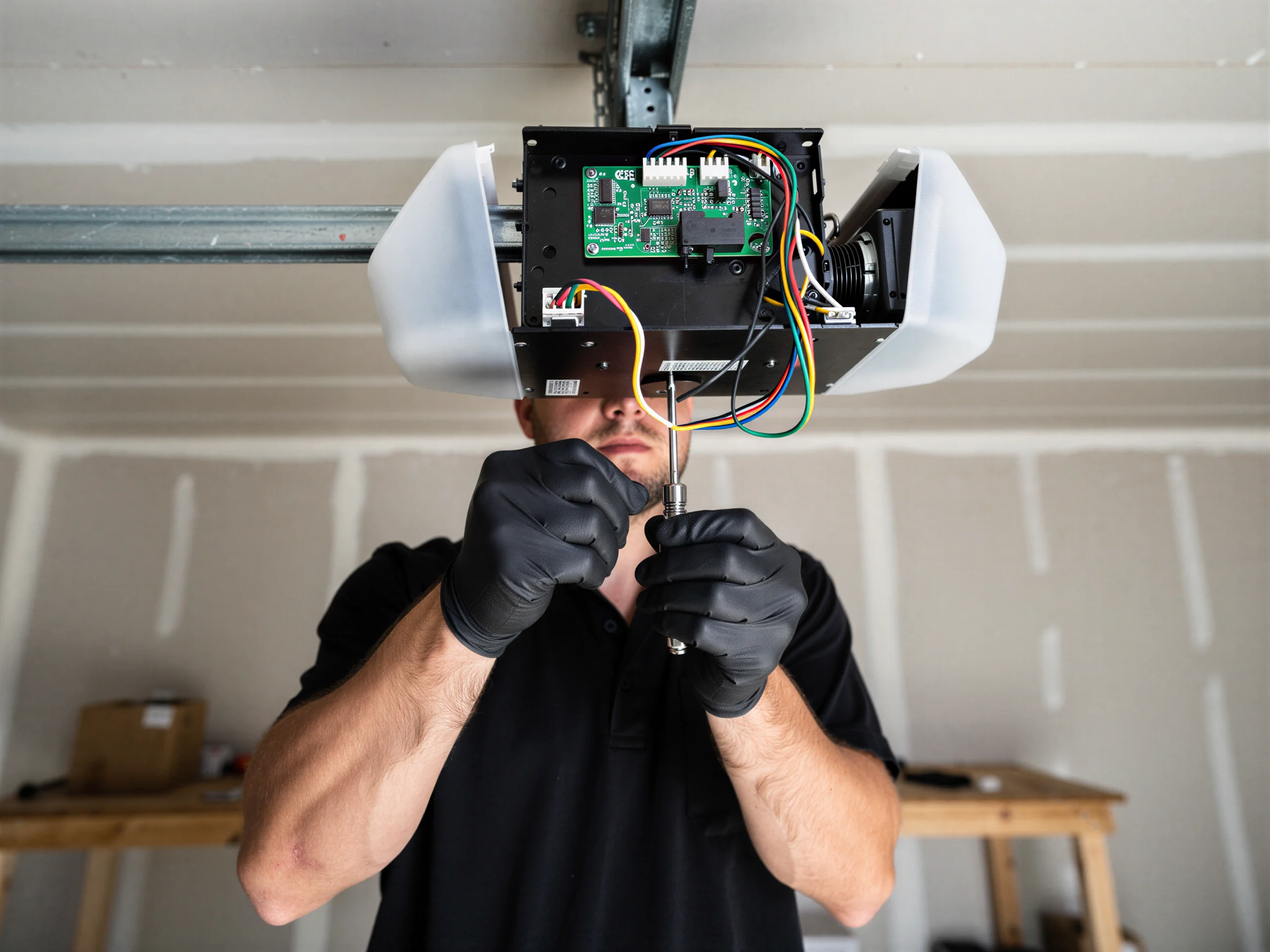
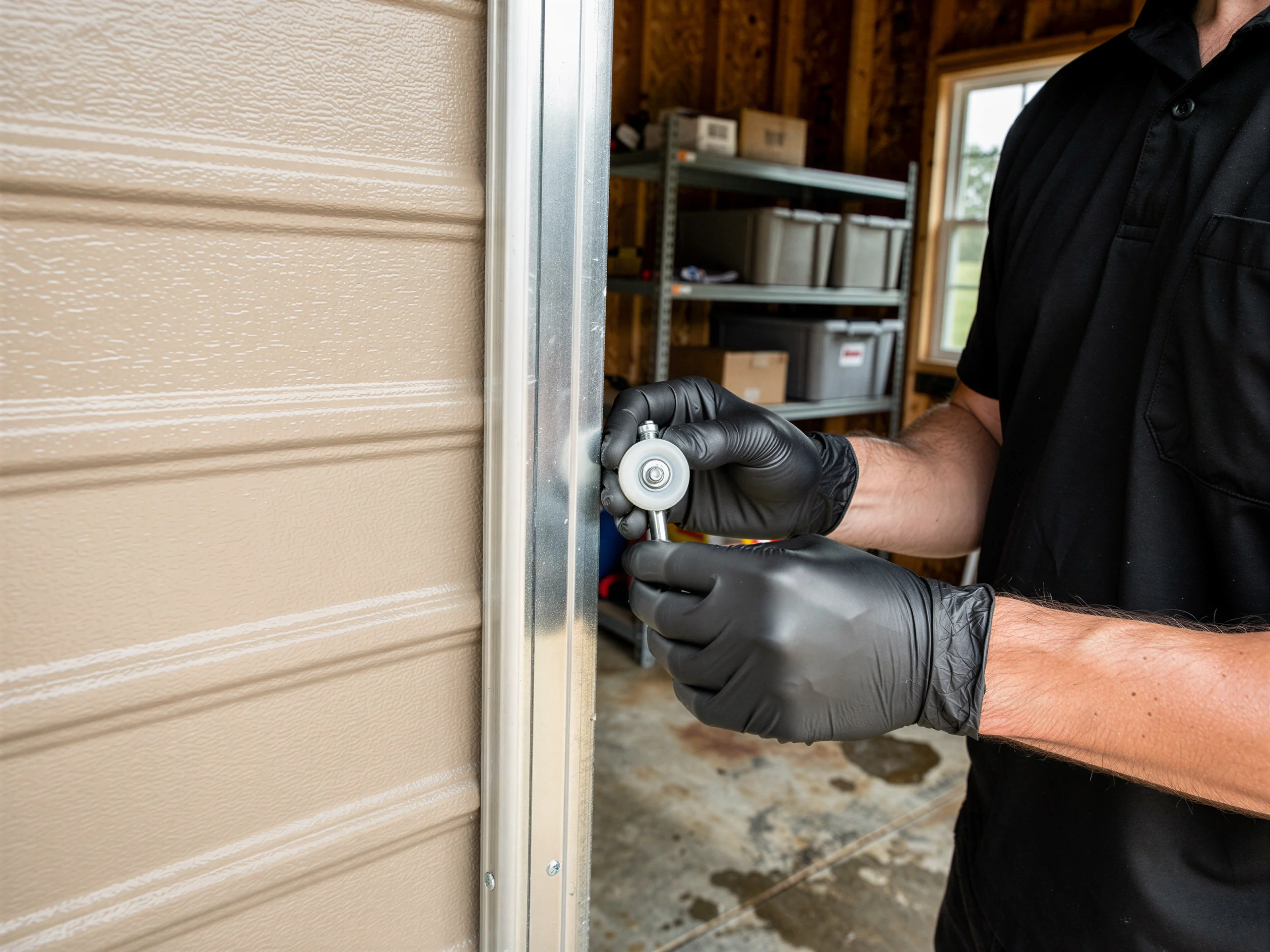
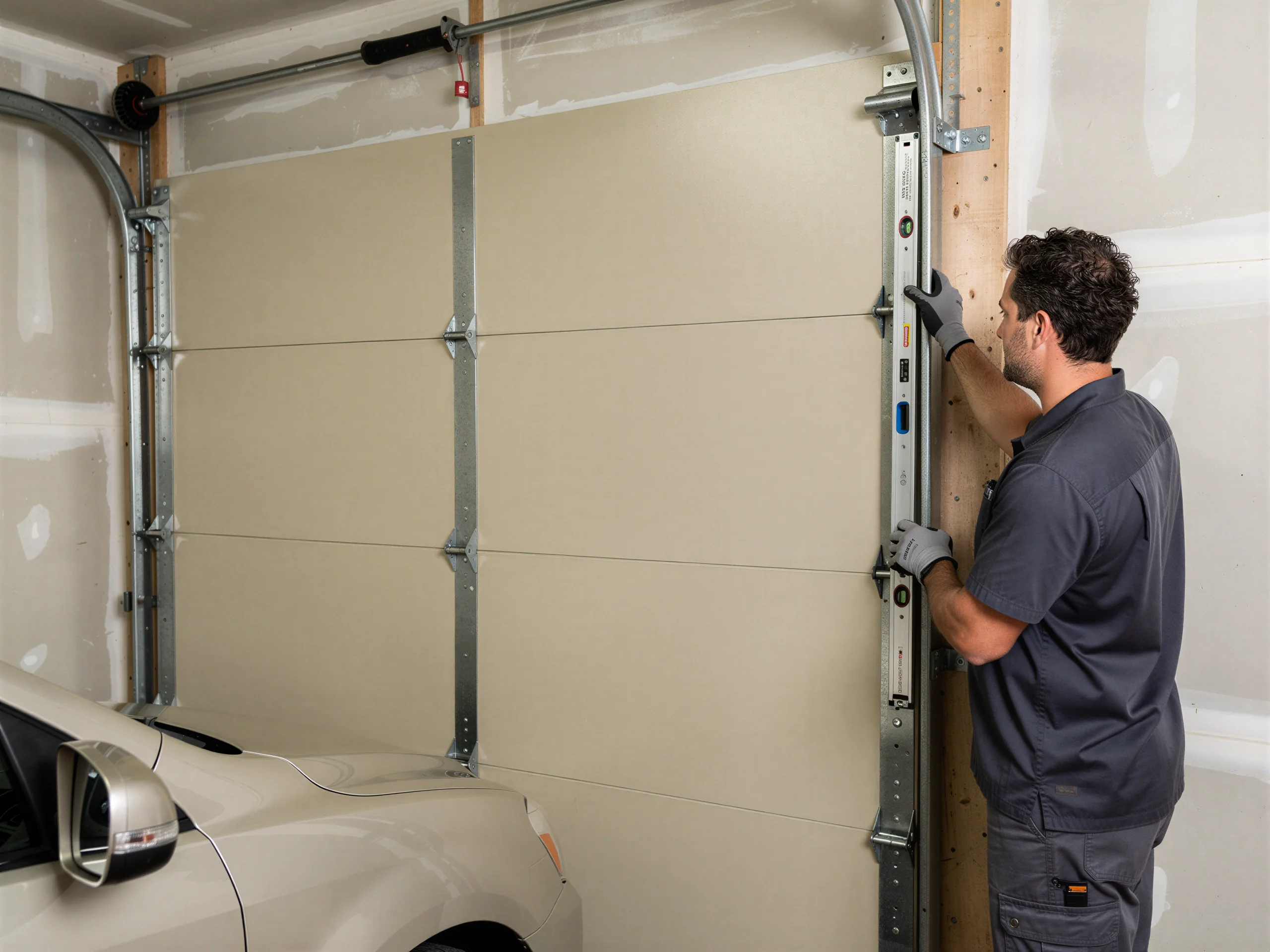
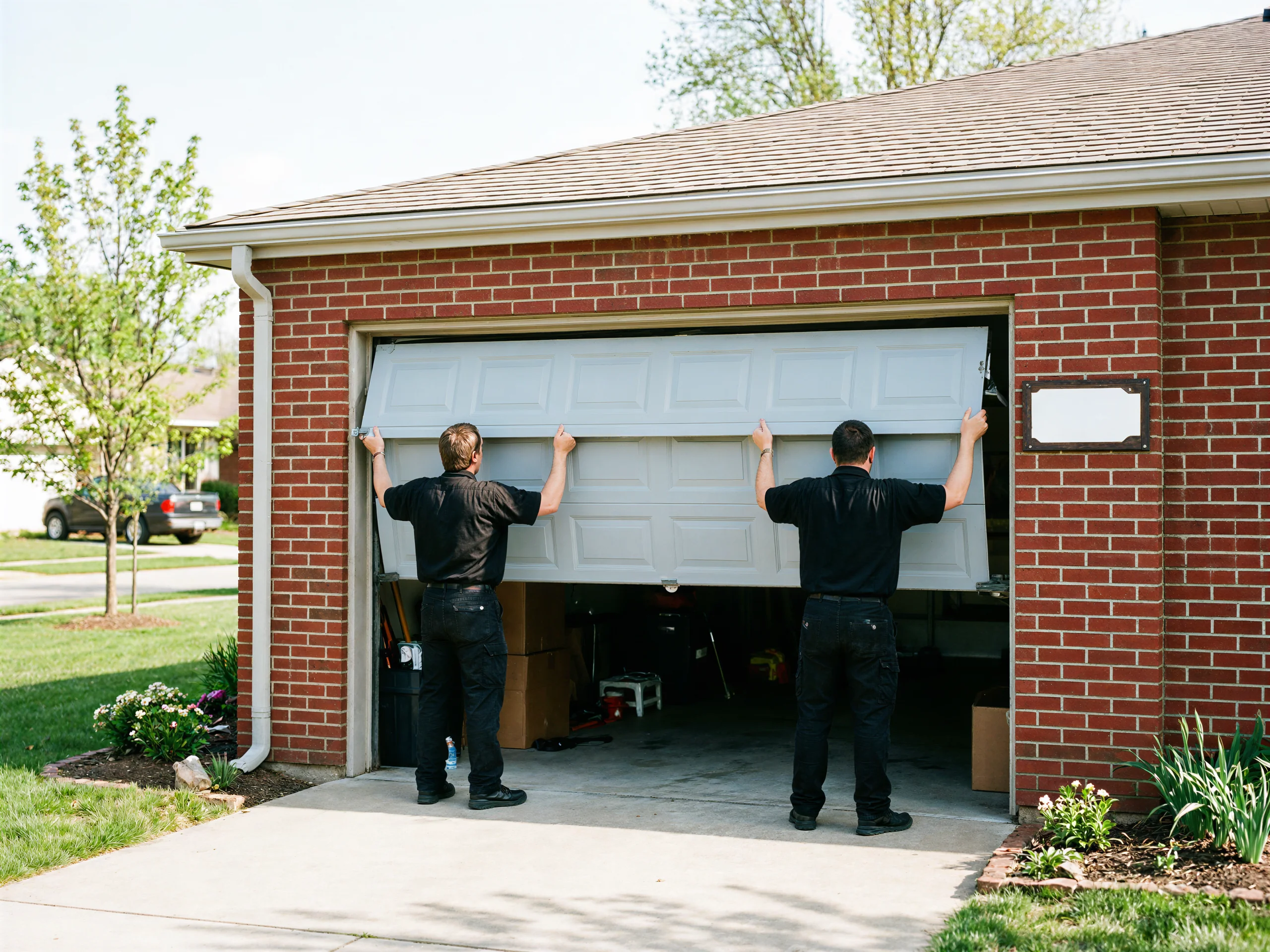
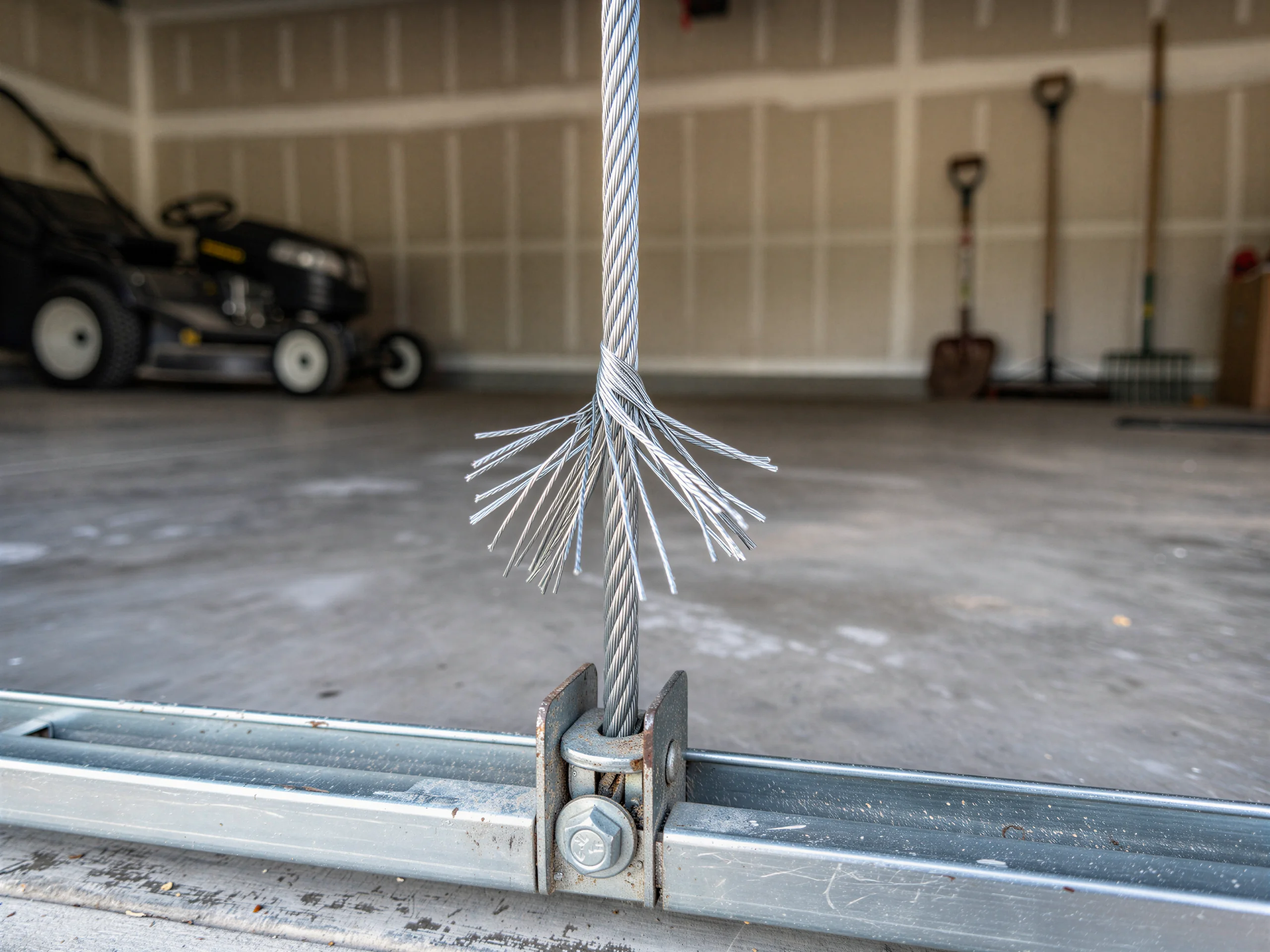
Cold-climate conditions here are classified as severe, and that's the single biggest driver of after-hours failures. Steel contracts in deep cold. Torsion springs that have been slowly fatiguing for decades finally snap on the coldest nights of the year, usually right when someone's opening the door to leave for work or get the car in before a storm. Nylon rollers get brittle and crack. Lubricant that was fine in August turns thick and sluggish in January, which makes the opener's motor work harder than it's built for and can burn out a drive gear.
The housing age compounds it. A door built when the stock in this area went up - the late 1950s through the early 90s - often runs on a single torsion spring instead of the two-spring setup newer doors use, so there's no backup when it breaks. Across the roughly 15,449 owner-occupied houses in this service area, a lot of them still have that original single-spring setup, and a lot of those springs are well past their expected life. It's not bad luck when one goes in February. It's math.