
Blog
Is Your Eau Claire Garage Door Worth Repairing or Replacing
Eau Claire's housing mostly dates to 1958-1991, median 1977, so a lot of garage doors here are original. Here's what's worth saving in this cold climate.
Season by Season
Eau Claire sits in a cold-severe climate band, and that matters more for a garage door than most owners think. Deep cold doesn't just make the door heavier to lift - it changes how the steel and hardware behave. Torsion springs wound tight lose a little flexibility every hard freeze, and a spring that's been fine for years can snap on the coldest morning of January because that's the day the metal finally gives. Come spring thaw, moisture gets into bottom seals and wood jambs that have been frozen solid, and that's when you notice rot or a track that's pulled slightly out of plumb. Summer is kinder, but it's also when slab settling shows up as a door that won't seal flush anymore. None of this is unique weather drama - it's the ordinary cycle repeating for decades on doors that were never built to flex this many times. If your door is original to a house from the 1958-1991 build window that makes up most of this area, it's been through forty-plus of these cycles already. That's the honest reason winter calls spike here: not bad luck, just steel and rubber running out of give at the same time every year.
What Is Going On
Housing across this service area mostly went up between 1958 and 1991, with the median build year landing around 1977. That's true across the roughly 22 named neighborhoods and nearby communities that make up the broader Eau Claire area - Altoona, Lake Hallie, Chippewa Falls, and the rest within a dozen or so miles are largely the same 1960s-70s stock. What that means for a garage door: a lot of these houses still have doors, track, and openers that are original or close to it. Steel sectional doors from that era used thinner gauge panels than what's sold today, single-strand lift cable instead of the doubled cable common now, and openers with chain drives that were never designed to run forty-plus years. None of that makes the door bad - a lot of these old doors are solid, heavy, well-built steel that outlasts cheaper new ones. But the hardware around the door - springs, cable, rollers, the opener itself - wears on its own timeline, and that timeline is almost always shorter than the door's. Knowing which part you're actually replacing is the difference between a $200 call and a full door swap you didn't need.
What to Look At First
Start with the springs, since they're the part most likely to fail without warning on a door this age. If the torsion spring is original to a 1960s or 70s build, it's well past any reasonable service life and replacing it before it breaks is cheaper than an emergency call after it snaps a cable on the way down. Next, check the rollers - steel rollers on track that old wear a groove into the rail over decades, and that groove is often why the door sounds like it's grinding even after a new roller goes in. Look at the bottom panel for rust-through, especially where the door meets a slab that's shifted even slightly. A rusted bottom panel on an otherwise solid steel door is often worth cutting out and patching rather than replacing the whole door. Last, check the opener's drive mechanism. Chain-drive units from this era can run for decades, but the circuit boards and safety reversal sensors inside them are a separate issue - if yours predates photo-eye sensors, that's not a repair, that's a code and safety reason to replace the opener outright, door aside.
How Local Conditions Play In
The cold-severe climate rating for this area isn't a throwaway number - it's the reason the math on repair versus replace tilts differently here than it would somewhere milder. Steel contracts more in a hard winter than most owners realize, and on a door built in the 1960s or 70s that contraction has been happening every year since. Nylon rollers from that era have usually gone brittle and started shedding chips you'll find on the garage floor. Weatherstripping that was fine in year one is now a hard, cracked strip that lets cold air straight through, which on an attached garage means a cold wall against a living space all winter. None of this means every old door needs to come out. A heavy steel door with solid panels and good bones is often worth keeping - new springs, new rollers, new seal, and it's good for another decade. Where it stops making sense is when the frame itself has racked out of square from decades of freeze-thaw, because at that point you're fighting the opening, not the door, and no amount of hardware fixes a jamb that's shifted.
Questions
Common questions
My garage door is original to a house built in the 1960s or 70s. Is it worth repairing?
Usually, yes, if the steel panels are rust-free and the frame is still square. The door itself was often built heavier than what's sold today. What usually needs work is the spring, rollers, and weatherstripping - parts with a shorter life than the door. Replace those and the door can run another decade.
Why did my spring snap in the middle of winter with no warning?
Cold makes steel less forgiving. A torsion spring that's been slowly fatiguing for years often fails on the coldest morning because that's when it finally loses the flex it needs to hold tension. This is common on original hardware from 1960s-70s builds that are overdue for a spring swap anyway.
When does it stop making sense to keep fixing an old door?
When the problem is the frame or opening itself, not the door - a jamb that's racked out of square from decades of freeze-thaw, or a bottom panel so rusted it can't hold a seal. At that point you're paying to fight the opening every time, and a new door with a square install is the better money.
Recommendation
You Might Also Like
More garage door guides for Eau Claire homeowners.
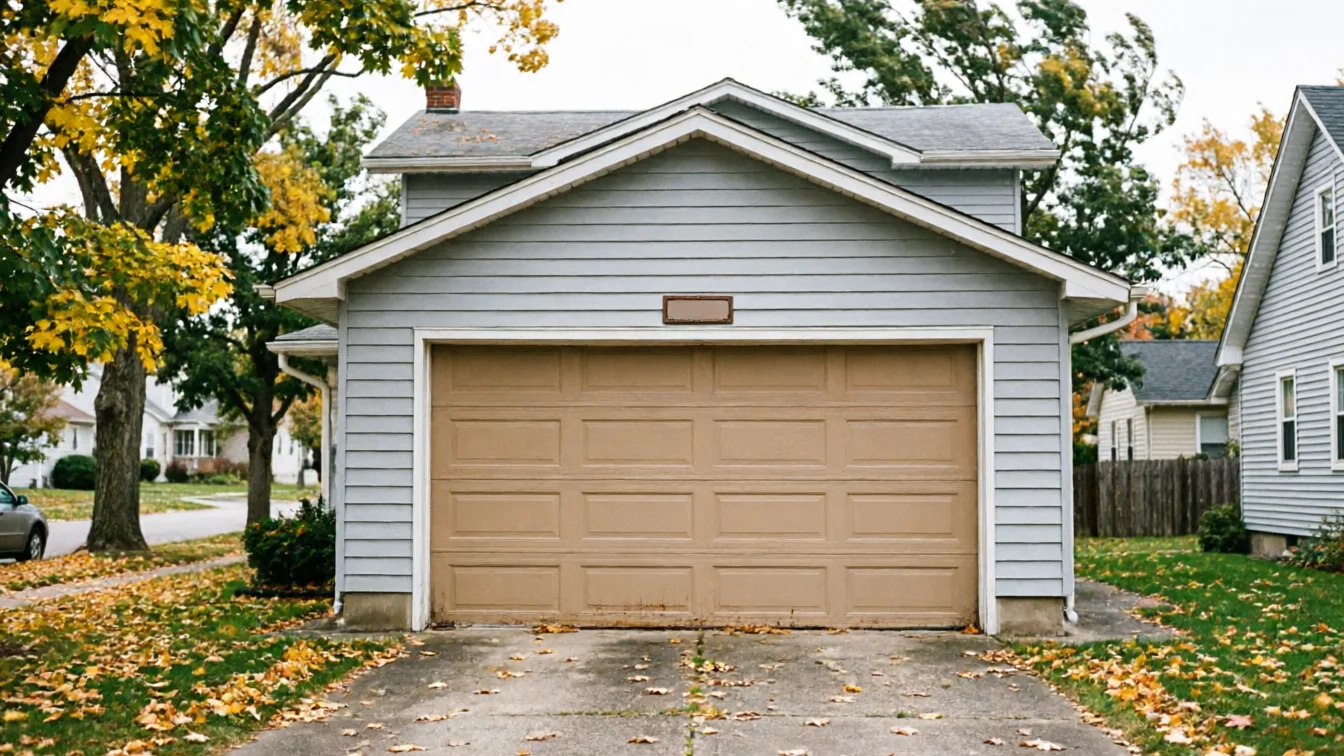
Garage Door Care for Eau Claire's 1960s-70s Housing Stock
Eau Claire garage door care for houses built 1958-1991, with cold-climate seasonal checks for springs, openers, and tracks on original hardware.
Read guide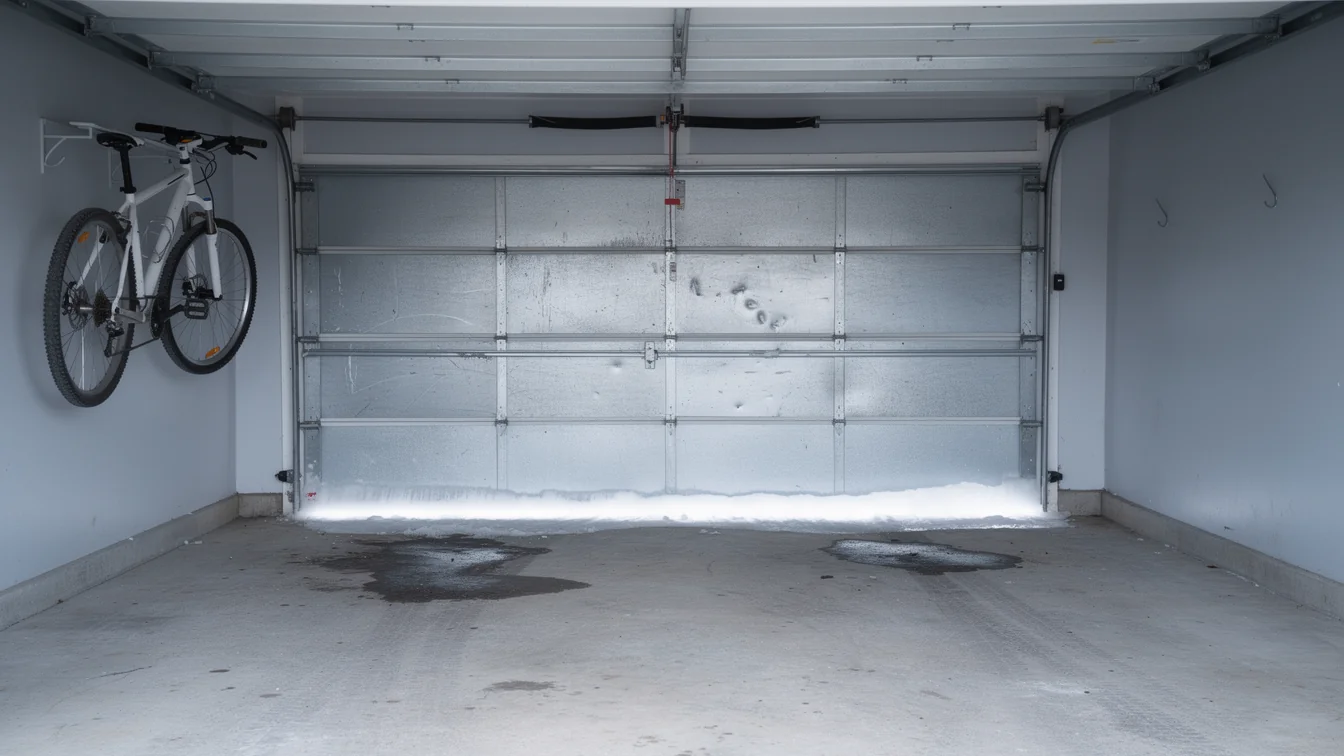
What That Noise in Your Eau Claire Garage Really Means
Eau Claire homes mostly date to 1958-1991.
Read guide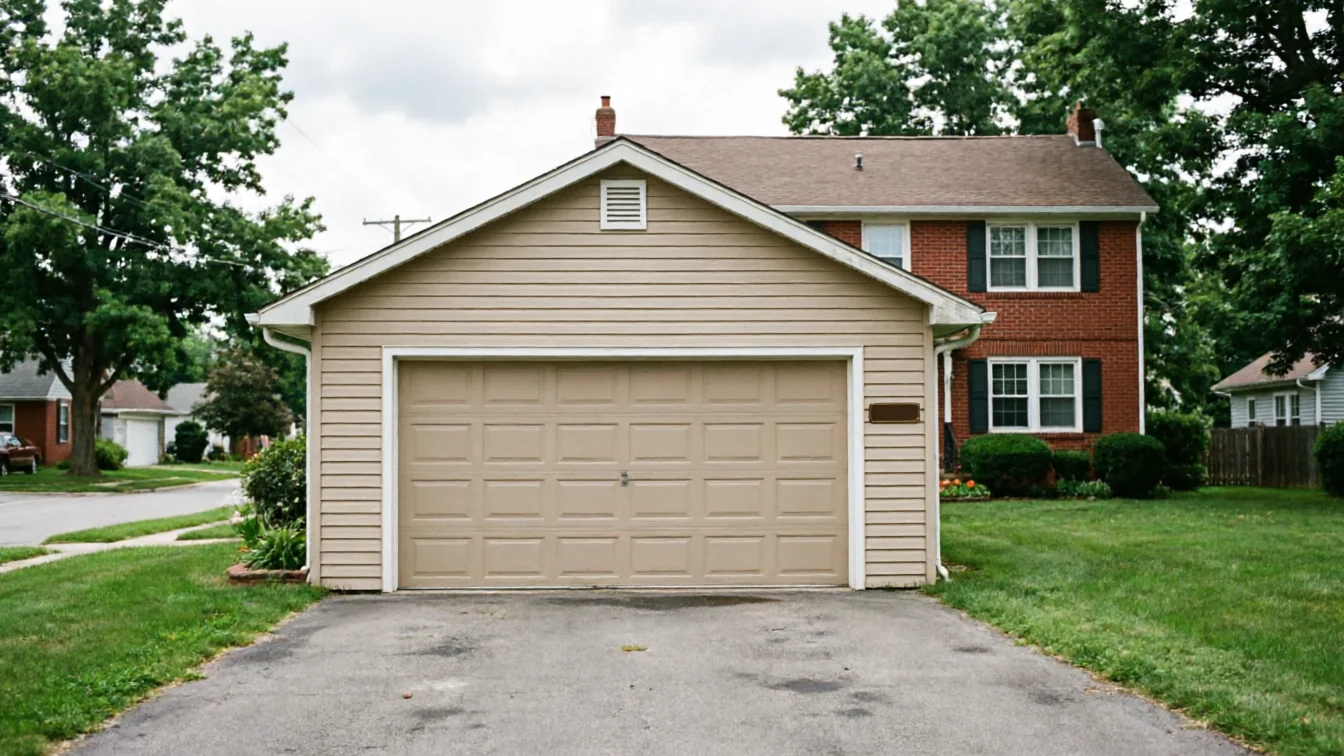
When a Garage Door Spring Breaks in Eau Claire's Cold
Eau Claire homes built mostly in the 1960s and 70s face cold-weather spring failures each winter.
Read guideReady when you are
Need a garage door sorted in Eau Claire?
Eau Claire Garage Door Pros repairs and installs garage doors, springs and openers in Eau Claire, WI and the surrounding area.