Three things line up against garage door openers in this climate band, and all three trace back to the facts on the ground, not generic wear.
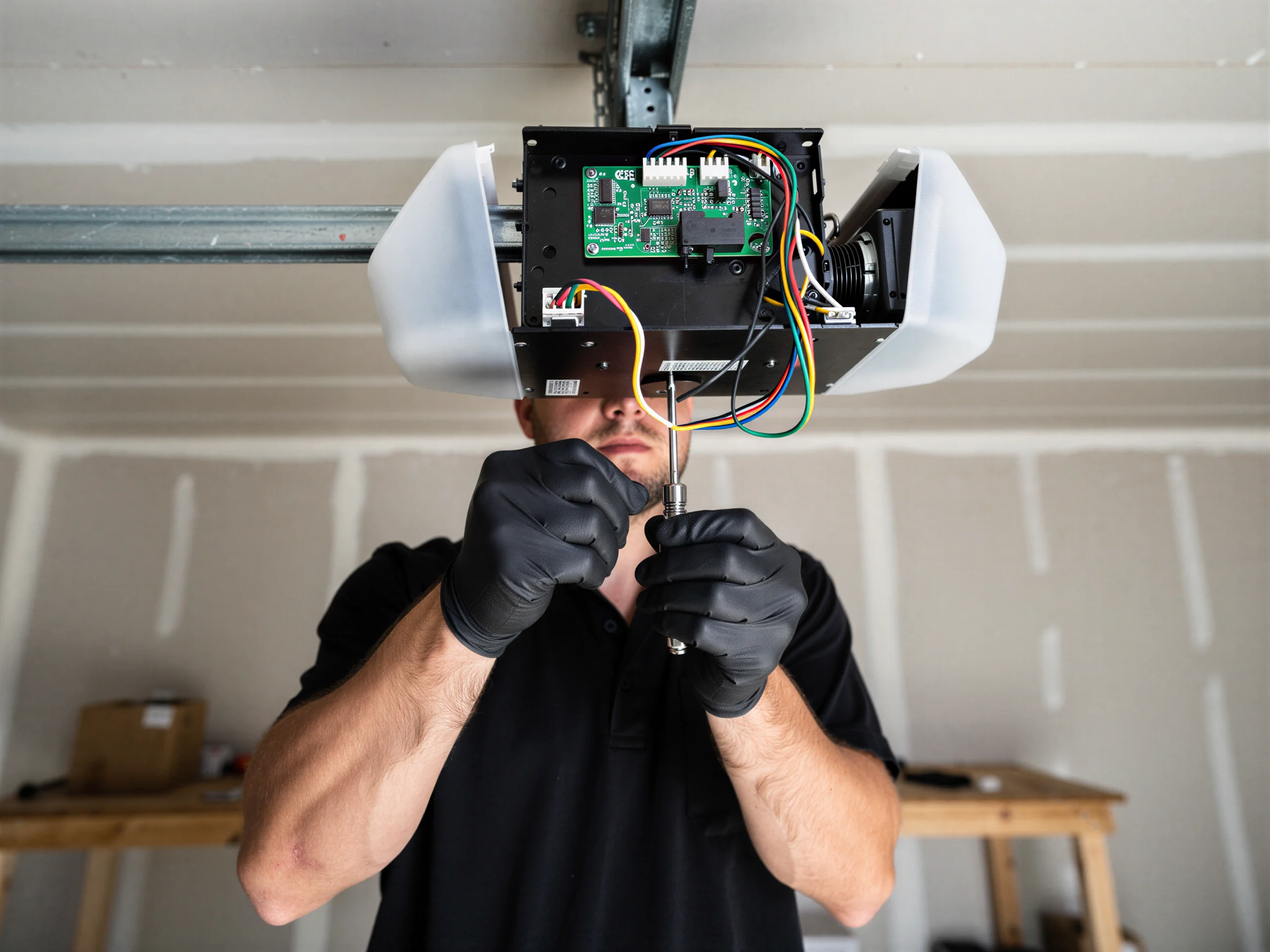
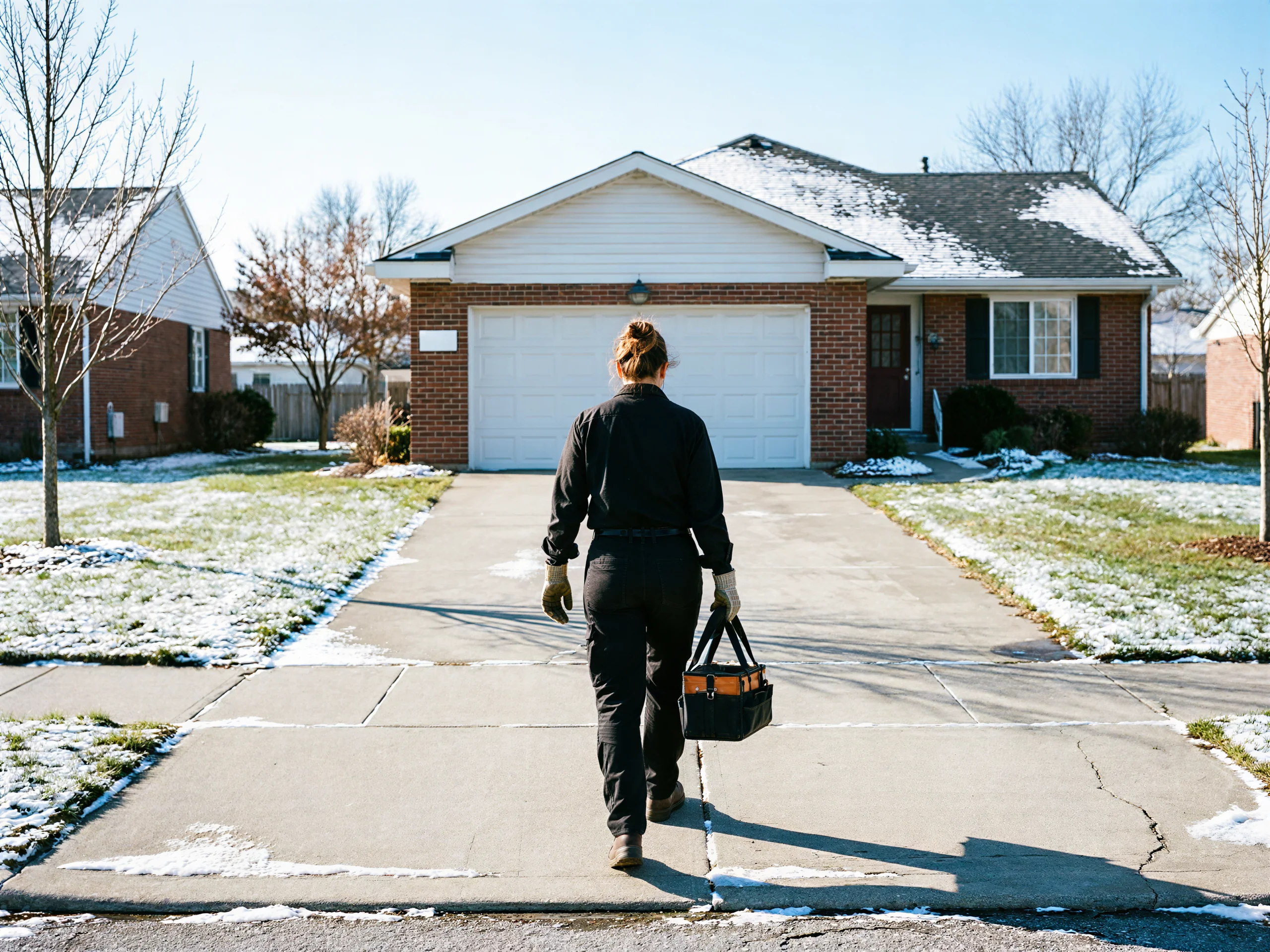
First, the cold. This area sits in a severe cold climate band, and repeated deep-freeze cycles do two things to an opener: they thicken old grease on the gear set until the motor strains against it, and they contract metal housings just enough to throw sensor alignment off by the fraction of an inch that matters. Second, the housing age. With most homes in the 22 communities we cover dating to the 1960s and '70s, a large share of openers in service are either original replacements or second-generation units nearing or past their realistic working life - capacitors dry out, circuit boards corrode at the solder joints, and drive gears made from older-spec nylon crack rather than wear smooth.
Third, duty cycle. In a service area with roughly 29,245 households and 15,449 owner-occupied houses, a lot of those garages get used daily, twice a day, through months where the door is the main way in and out because nobody wants to walk the driveway in February. That volume, combined with cold-stiffened mechanisms, is what pushes an opener from 'a little slow' to 'dead' faster here than it would in a milder climate.