
Simple steps before calling
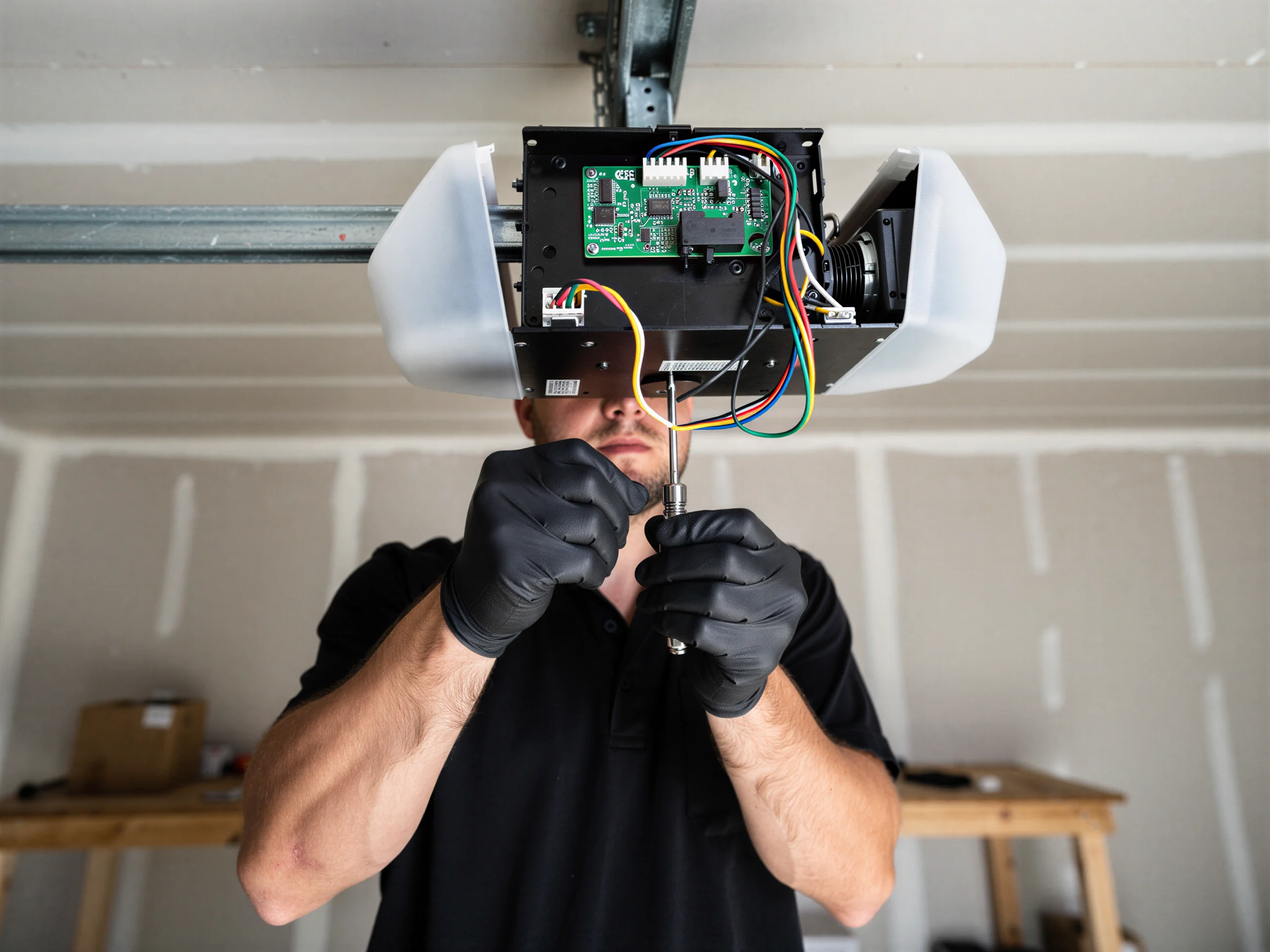
That alone fixes a surprising number of calls we'd otherwise drive out for. What we don't recommend touching: anything inside the motor housing, the circuit board, or the high-voltage wiring.
Lake Hallie, Eau Claire
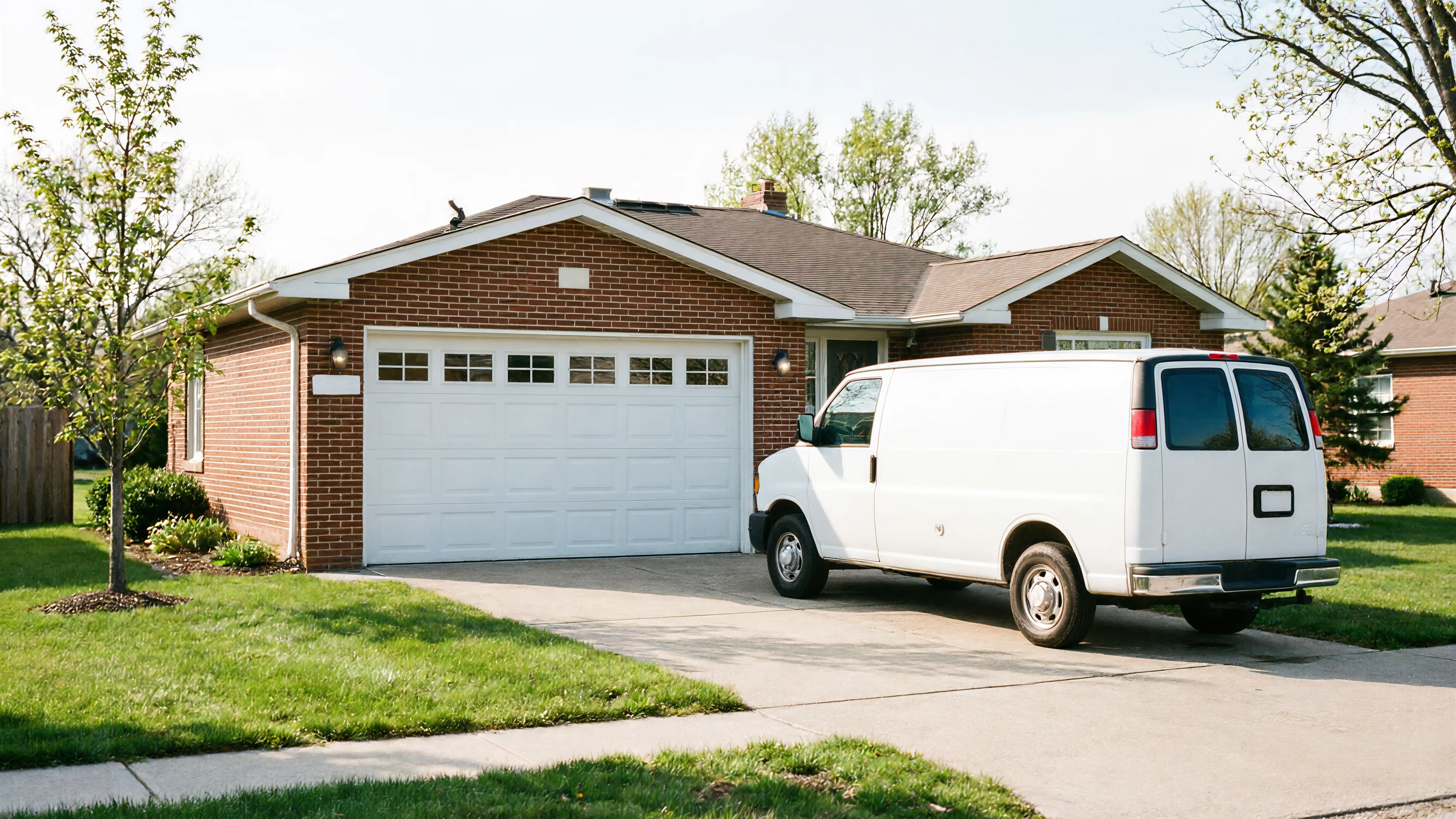
Lake Hallie homes date to about 1988, just ahead of the 1993 photo-eye sensor rule. We diagnose and fix openers built to that era, six miles out from Eau Claire.
Local causes
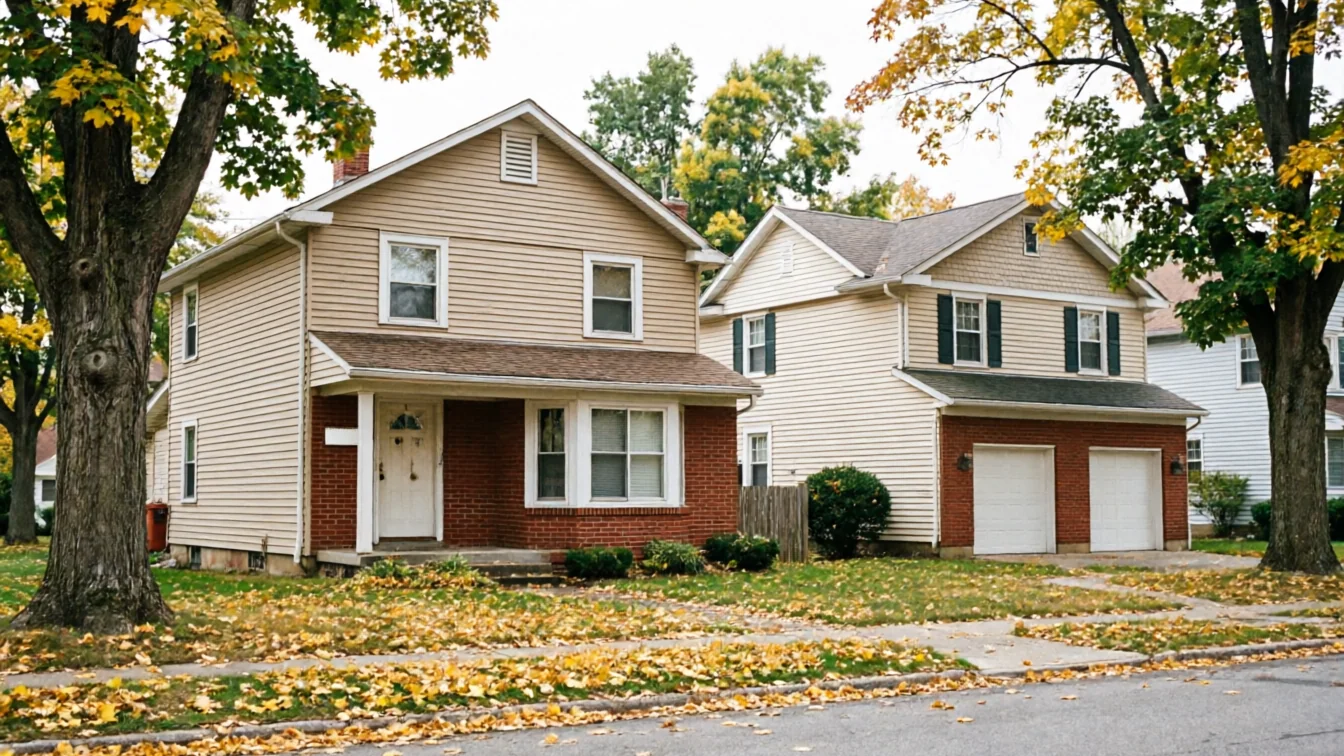
Most of Lake Hallie went up around 1988, which puts it a decade or so newer than the 1958-1991 range that covers the rest of the service area, where the median sits closer to 1977. That gap matters more than it sounds. In 1993 the federal government started requiring photo-eye reversal sensors on every new residential opener sold. A house built in 1988 got its opener before that rule existed, which means a fair number of original units in Lake Hallie either never had sensors, or had them bolted on later as a retrofit that doesn't quite match the logic board.
The other factor is the cold. This area sits in a severe cold climate band, and openers don't love it. Nylon gear sprockets get brittle and crack in an unheated garage once temperatures drop hard, and older circuit boards can get flaky on a cold start even when they still work fine by afternoon. Combine a 35-plus-year-old chain-drive motor with a winter that doesn't let up, and the common failures we see are a stripped gear, a dead capacitor, or a sensor pair that's aligned fine in summer and off by a hair once the slab shifts with frost.
Our process
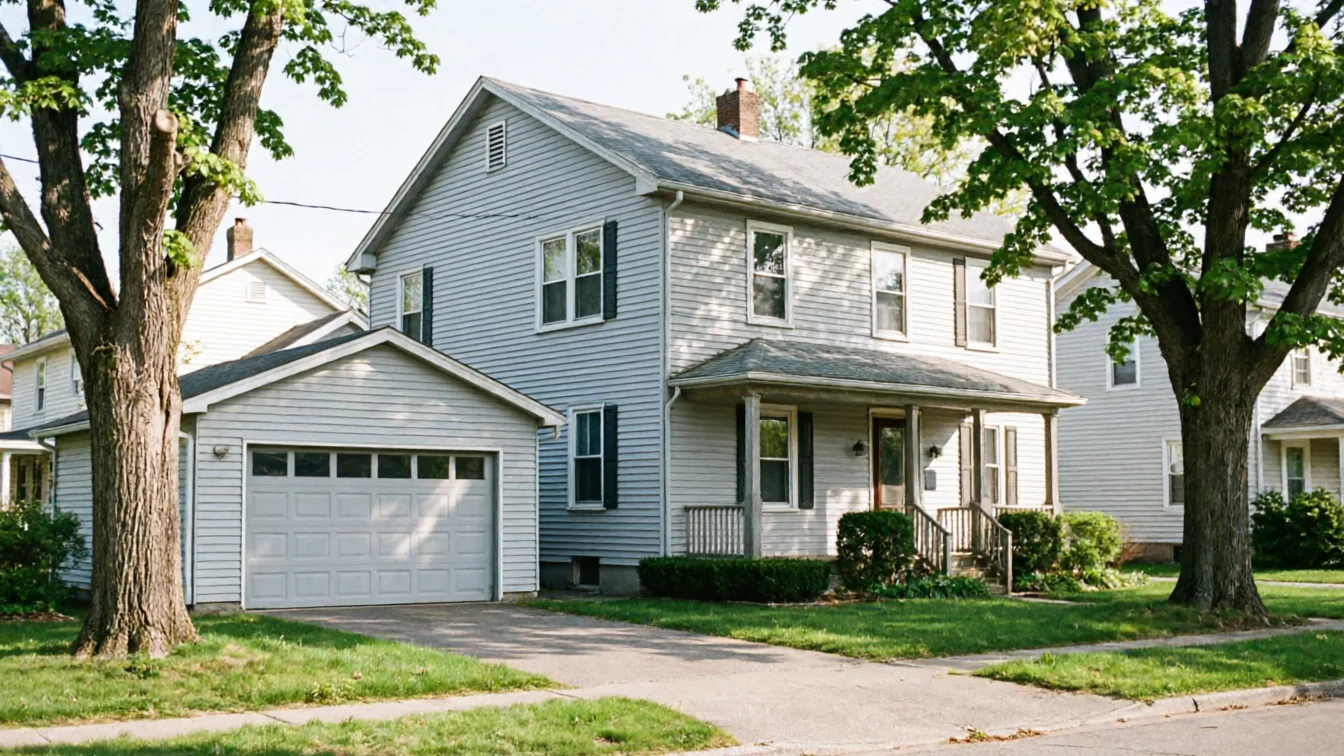
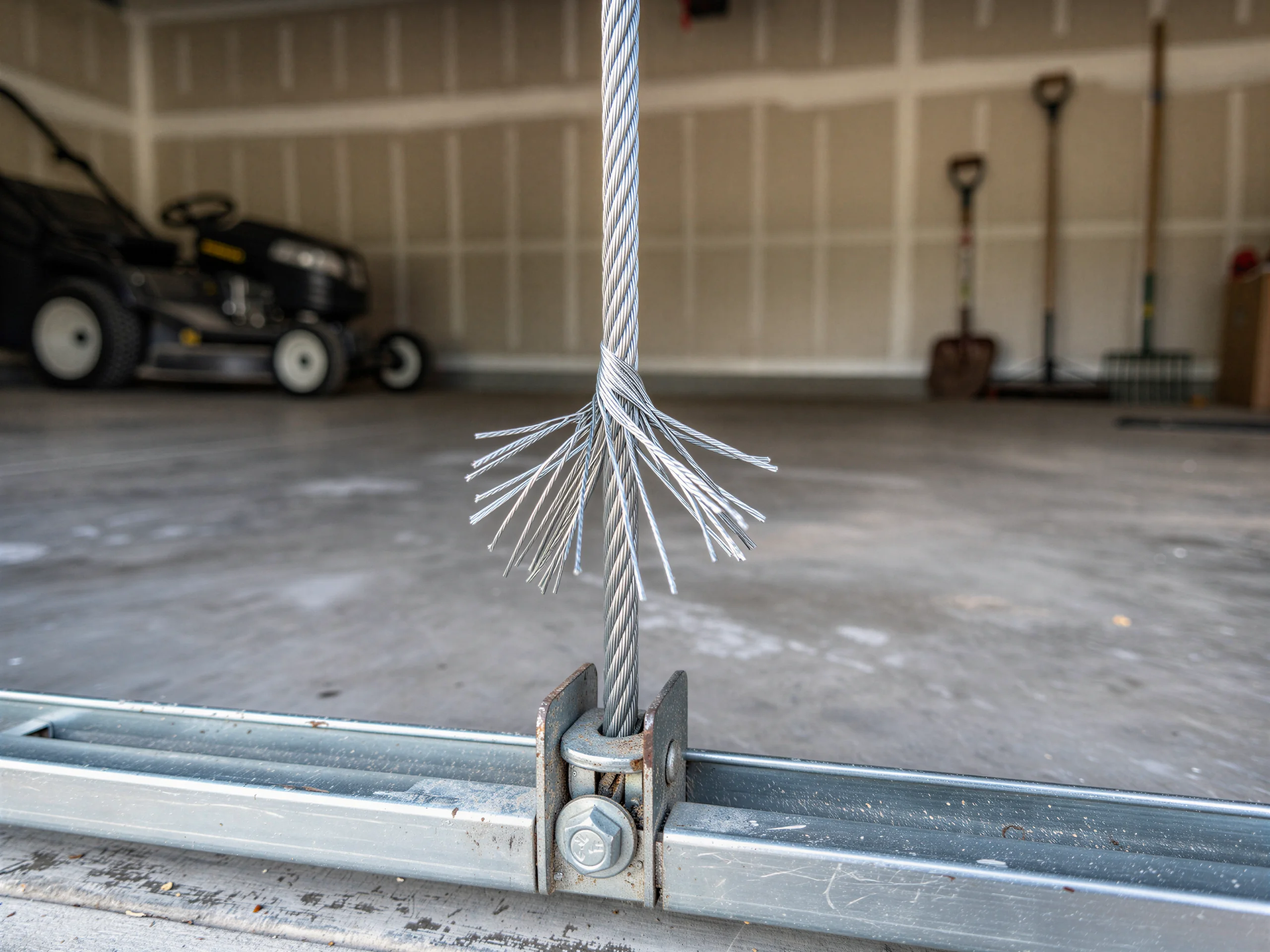
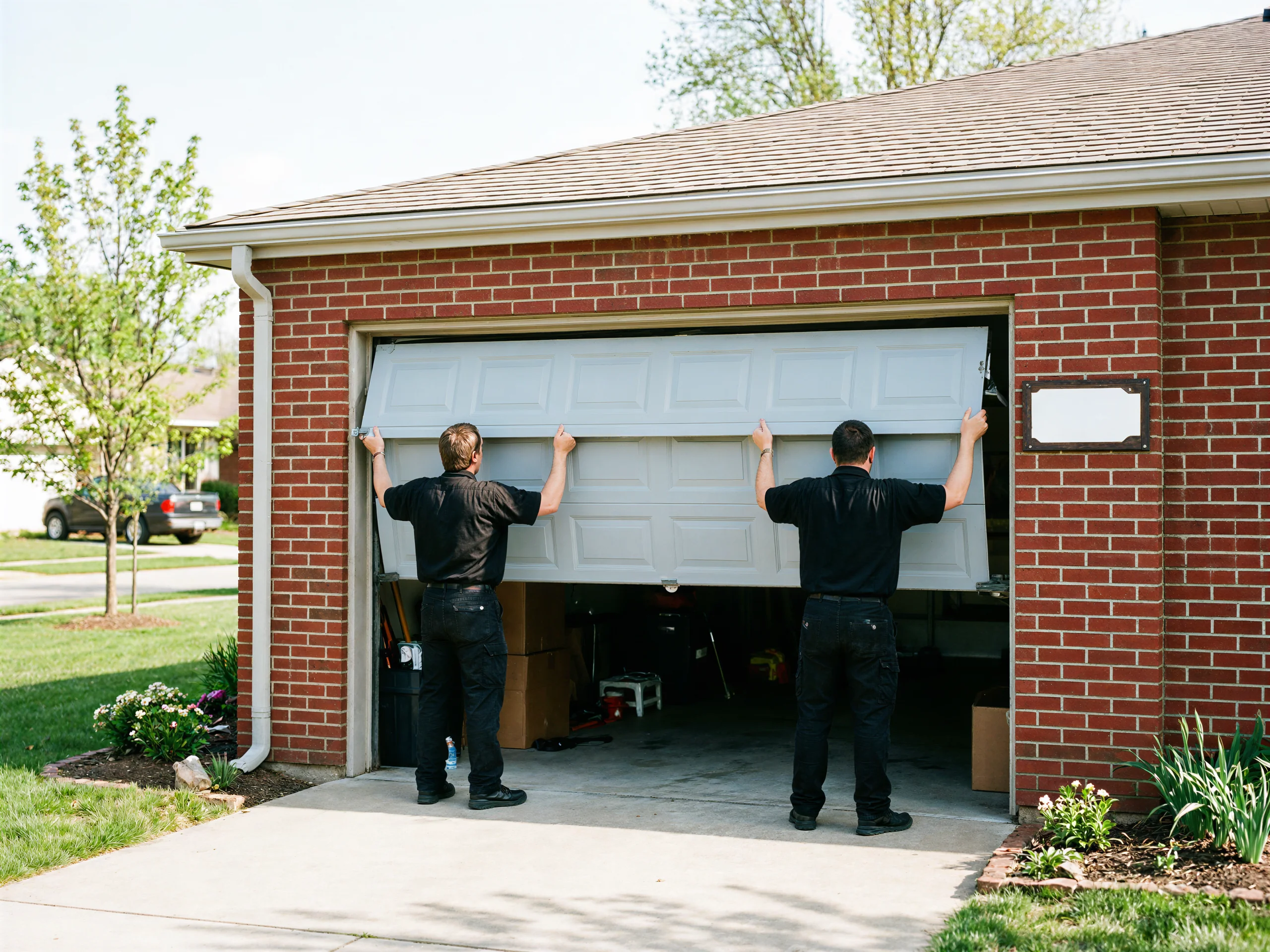
We come from Eau Claire, about six miles to Lake Hallie, so this isn't a special trip - it's a short one. First thing on site is figuring out whether the opener itself failed or whether something downstream is making it look like the opener's fault: a spring that's lost tension will make a motor strain and burn out early, and that's a different repair than a dead gear kit.
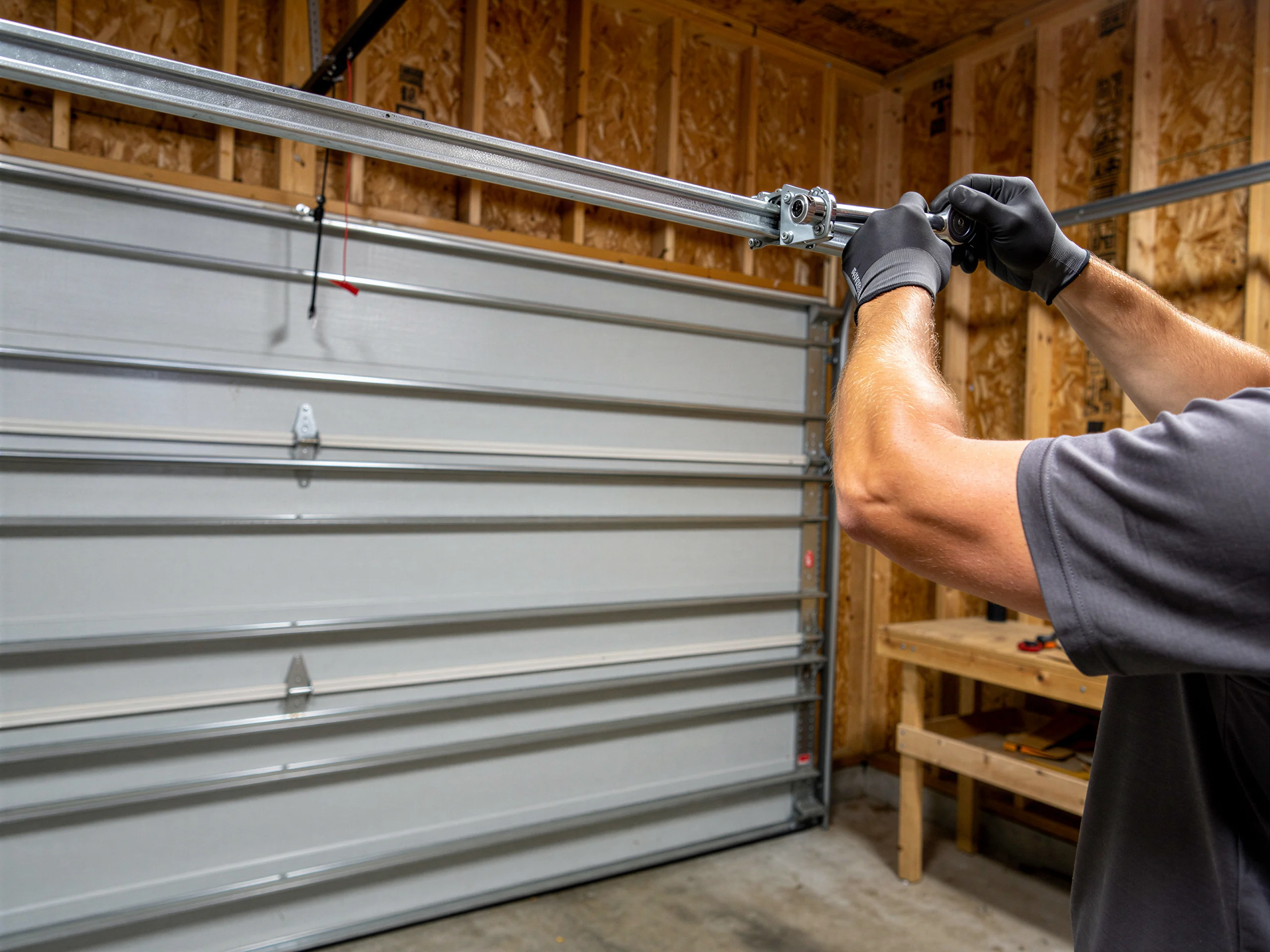
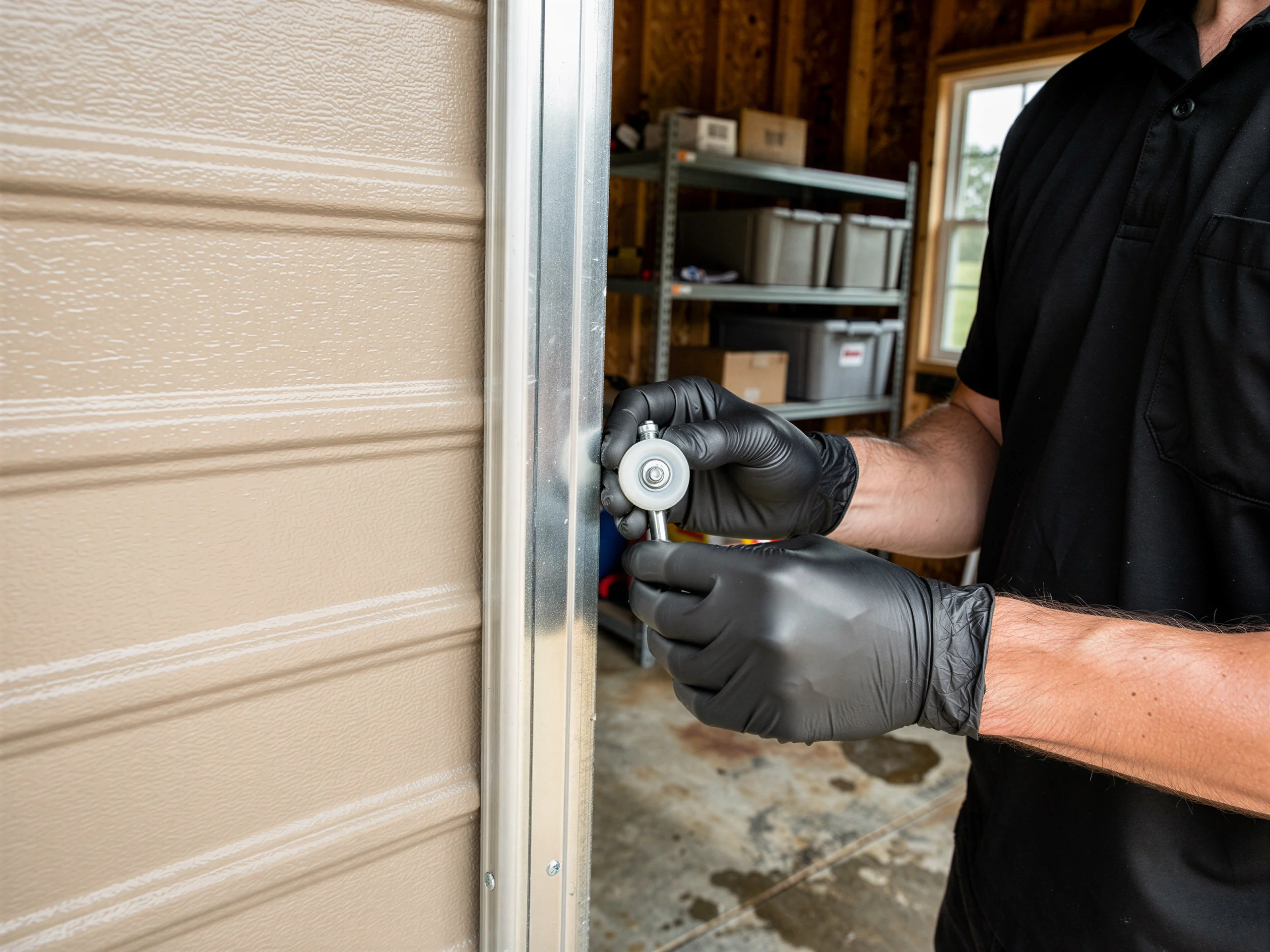
For a stripped sprocket or worn gear kit, we replace the part rather than the whole unit if the motor and board are sound - that's usually the right call on an opener from the late 80s or early 90s that's otherwise held up. If the logic board is shot, or the opener predates sensors entirely and can't be retrofitted safely, we'll say so and talk about replacement instead of patching something that's going to fail again in a year. We carry common opener parts, but anything obscure or discontinued for an older model can mean a short wait on the part before we're back out.
DIY or pro
Some of this is fair to tackle yourself. If the door won't close and reverses instead, check the photo-eye sensors first - wipe the lenses, make sure nothing's blocking the beam, and confirm both brackets are still square after a winter of frost heave.
That alone fixes a surprising number of calls we'd otherwise drive out for. What we don't recommend touching: anything inside the motor housing, the circuit board, or the high-voltage wiring.
Openers from this era weren't built with easy board access in mind, and a mis-wired safety circuit is the kind of mistake that doesn't show up until the door doesn't reverse on a kid's bike.
If the opener is original to a 1988 build and has no sensors at all, that's not a DIY wiring project - it's a conversation about whether to retrofit or replace.
Job timing
A straightforward fix - a sensor realignment, a capacitor swap, a logic board reset - doesn't take long once we're on site. A gear kit replacement runs longer because the opener has to come apart and go back together correctly, including resetting travel limits and force settings so the door doesn't slam or stall. If the unit needs a part we don't carry on the truck, the job splits into two visits: diagnosis first, then the fix once the part's in. We'll tell you up front which kind of job it looks like before we start, not after.
Questions
Cold makes nylon gear sprockets brittle and can make older circuit boards misbehave on startup. In a severe cold climate like this one, an opener that's marginal in October often fails outright by January. It's rarely the cold alone - usually a part was already wearing out and the cold pushes it over the edge.
Not necessarily. Federal rules requiring photo-eye reversal sensors on new openers took effect in 1993, so an opener original to a 1988 house may predate that rule. Some were retrofitted later; others weren't. We check this on every call before touching anything else.
No - we run out of Eau Claire, about six miles away. It's a short trip, not a special-rate service area, and we treat opener calls here the same way we treat them anywhere else close to the shop.
Depends what's failed. A worn gear kit on an otherwise sound motor and board is worth fixing. A dead board on a unit with no sensors and no safe way to retrofit them usually isn't - we'll tell you straight which side of that line your opener falls on.
Explore more
Ready when you are
Eau Claire Garage Door Pros repairs and installs garage doors, springs and openers in Eau Claire, WI and the surrounding area.